These troubles shake Singapore yards' competitiveness over Korean rivals
Koreans can reduce Singaporeans' construction time by half.
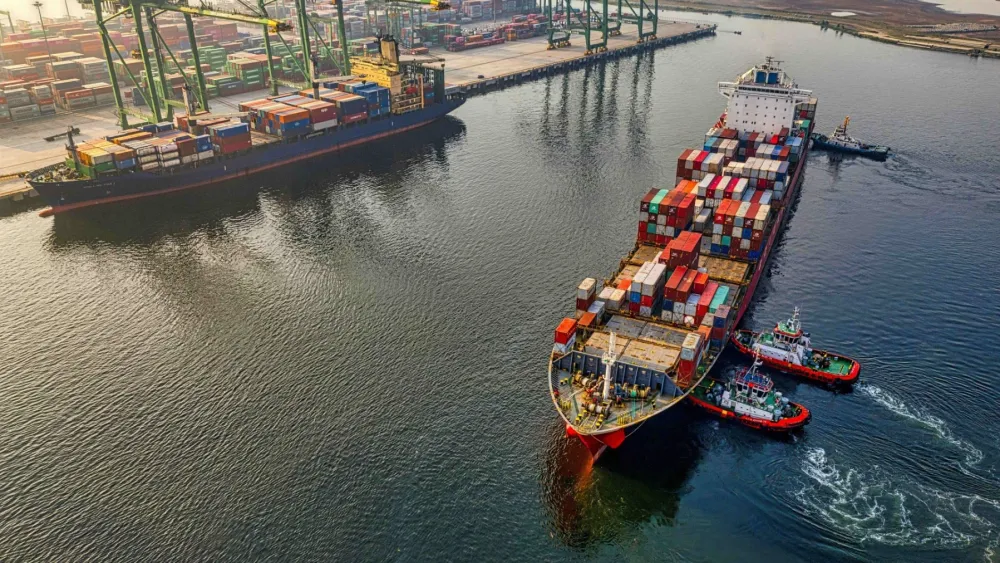
According to CIMB, Korean yards beat Singapore yards hands-down in terms of yard size. Each Korean yard is almost as big as the combined size of KEP’s and SMM’s yards in Singapore, explaining their competitive advantage in the market for large-scale offshore structures (newbuild FPSOs, FLNGs, TLPs) and drillships (hulls as big as 13,000 TEU container ships).
It also noted that very little apprehension was expressed over Singapore yards’ intention to break into the drillship segment as the Koreans’ market share appears to be protected by more advanced technologies and shorter construction time (of 12-15 months vs. >24 months for Singapore yards.
Here's more:
What Happened
We visited Korea Hyundai Heavy Industries’ yard in Ulsan recently, met executives from Samsung Heavy Industries and spoke to some Korean investors, comparing Singapore and Korean yards.
The Koreans were generally curious about Singapore’s capabilities in conversion and the outlook for jack-up rigs – in the event they decide to venture down the value chain.
What We Think
Although we were awed by the Koreans’ yard space, we believe Singapore still has the upper hand incosts, margins, business flexibility and global yard presence.
Firstly, a reliance on cheaper foreign labour is almost non-existent in Korea. The Koreans’ average low-end pay is US$40,000 p.a., triple that of Singapore.
Secondly, profitability remains the top priority of Singapore yards, with operating margins of 12% vs. the Koreans’ 8%. Thirdly, Singapore yards are able to diversify to from rig-building to building semi-sub accommodation and FPSO conversion while the Koreans remain fixated on high-steel content structures (newbuild FPSOs), ship-shape vessels (drillships, LNG carriers) and mass-produced containers in bulk orders.
Finally, Singapore builders leverage their global yard presence, including Brazil, to beef up their capacity.
What You Should Do
Stay invested. Singapore still has its competitive advantages over the Koreans and Chinese in costs and efficiency. That said, there is no time for chill-out as there could be a big shake-up if the Koreans do decide to encroach into shallow-water jack-ups and conversions or if the Chinese catch up in their execution.

























 Read Here
 Advertise
 Sign Up