Oil price slide could lower Q4 electricity tariffs by 8%: UOB
The bank keeps 2026 core inflation forecast at 1.9%.
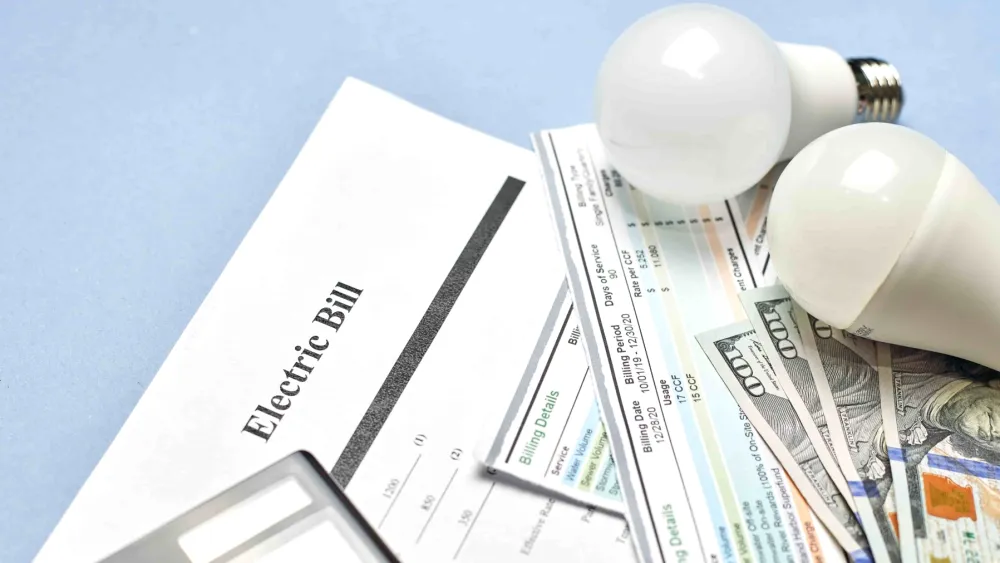
Electricity tariffs may ease in the fourth quarter (Q4) if oil prices remain lower, after a sharper-than-expected rise in household power bills in Q3, according to a UOB report.
“Assuming a more conservative average of $103.6 (US$80) per barrel for Q3, we estimate a 7–8% pullback in electricity tariffs in Q4,” the bank said.
The recent seven-day moving average prices stood at $98.42 (US$76) per barrel.
On 30 June, the Energy Market Authority said electricity tariffs, excluding goods and services tax, will rise 17% quarter-on-quarter in Q3 due to an earlier surge in natural gas prices due to the Middle East conflict.
UOB said the increase was above its earlier estimated range of 13% to 15%. Still, it kept its 2026 core inflation forecast at 1.9%, with its 2027 forecast at 2%.
It noted that electricity tariffs comprise four components: energy costs, network costs, market support services fee, and market administration and power system operation fee. “Amongst these, energy costs are the most significant.”
“In Singapore, electricity is produced using mainly imported natural gas, which is tied to oil prices by commercial contracts,” the bank added.
About 63% of households pay for electricity through the regulated tariff, whilst the rest are largely on fixed-price plans offered by electricity retailers.
UOB said several retailers have started raising prices on new contracts and withdrawing discounted plans following the escalation of the Middle East conflict in late February.
$1 = US$0.77























 Read Here
 Advertise
 Sign Up