Olam Livelihood Charter generated S$267.2m income for farmers
Also provided S$118.6m in microfinance.
In a release, Olam revealed the key highlights for its Olam Livelihood Charter, a framework for improving the viability and well-being of 800,000 smallholder farmers living near subsistence levels by 2020.
• Number of farmers involved in OLC has increased 388% in last 3 years to 313,476
• US$118.6 million of microfinance provided to 313,476 farmers at 0% interest
• US$267.2 million income generated for OLC farmers
• 200,000 metric tonnes of product brought to market through sustainable value chains
on farms covering over 500,000 hectares
• US$13.9 million paid in premiums for quality (+67%, from US$8.3m in 2012)
• 19.2% of OLC farmers are women
• 73% of OLC farmers own a mobile as a business tool
• 99,681 people reached over 3 years in HIV/AIDS programmes
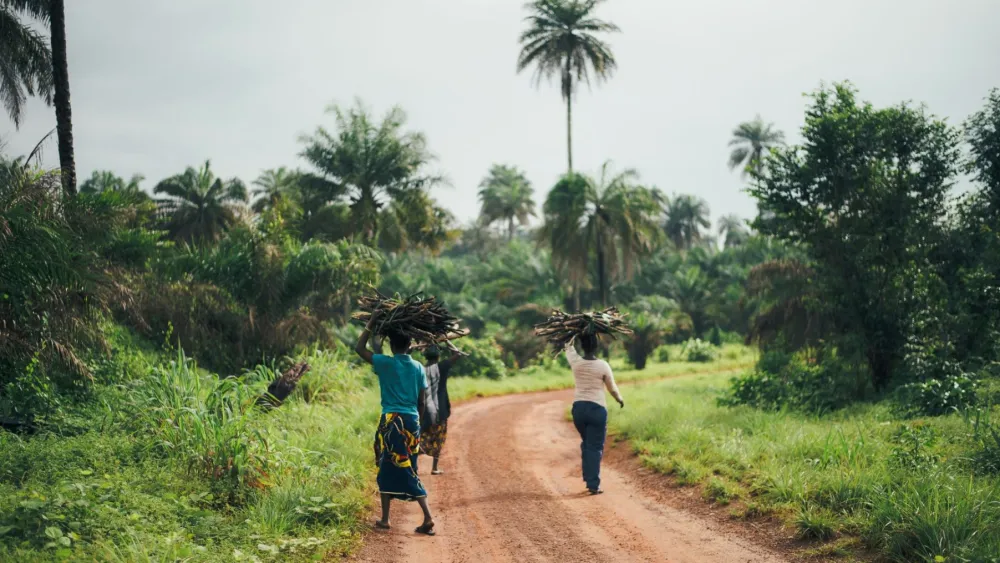
The smallholder farmers growing many of the products that Olam purchases, are in emerging markets, often working on less than 3 hectares of land with limited access to fertiliser, seedlings, education, farmer training or credit for investment.
“Only by unlocking value for farmers and creating thriving agricultural communities can we ensure the long-term security and quality of crop supply,” said Sunny Verghese, Group Managing Director and Chief Executive Officer, Olam. “Enabling farmers to become serious commercial partners is integral to our business model, as it allows us to build sustainable supply chains delivering the large volumes of high quality, traceable products that our customers require. In turn this provides us with a competitive edge and benefits our overall business performance.”
From the many corporate sustainability initiatives that Olam conducts across its operations, 20 programmes achieved the flagship OLC status in 2013.

























 Read Here
 Advertise
 Sign Up