Airlines struggle to tap into debt capital markets: SIA
Concerns were raised over SIA’s proposed $8.8b issue of share rights to raise cash.
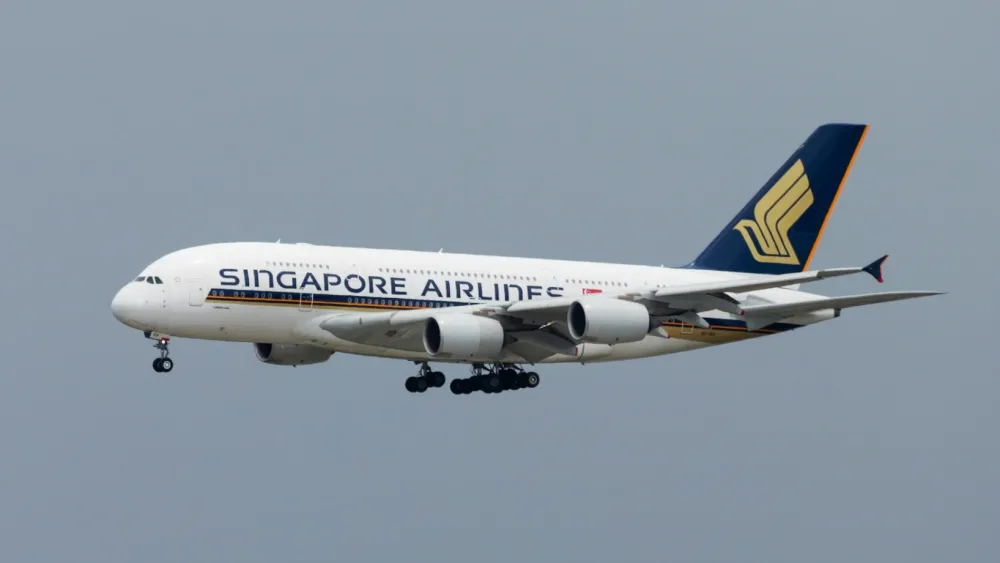
Singapore Airlines (SIA) has opted for the issuance of share rights to raise capital amidst a worsening operating environment that saw airlines struggle to tap the debt capital markets (DCM), the firm said in response to queries by the Securities Investors Association Singapore (SIAS).
SIA is seeking to raise $8.8b in a renounceable rights issue, largely to fund fixed costs and other operating expenses incurred, as it faces a period of reduced operation. It will also be used for aircraft purchases and payments, and debt service and other contractual payments.
In an open letter, the association questioned the group’s decision to raise $15b cash via equity, expressing concerns that the move may be dilutive for its shareholders and will affect retail shareholders who do not have enough cash to subscribe for the rights.
“We will continue to explore other traditional funding channels such as secured financing and sale-and-leaseback transactions but the opportunities remain limited in the current climate and it would not be possible to raise a similar quantum from these channels,” the group said.
These transactions were also noted to bring more cash outflow obligations on the airline during this period when liquidity is challenged.
“To give our shareholders the opportunity to maintain their equity participation in SIA, the proposed transaction has been structured as a rights issue where shareholders can choose to subscribe for, partially or fully or in excess of, the Rights Shares and/or Rights MCBs provisionally allotted to them,” SIA added.
SIAS also asked if SIA would consider reducing the size of its rights issue, and instead opt to issue debt to make up the shortfall, as the net gearing from the issuing of all the rights mandatory convertible bonds (MCBs) is arguably “too conservative and comes at the expense of lower share prices.”
Further, SIAS questioned why over a third of the proceeds or $3.3b will go to capital expenditure when the funds raised are supposedly for cashflow and balance sheet reasons. In response, the airlines said that the spending for aircraft purchases relate to orders placed in the past, and added that they have already deferred non-essential expenditure projects.
























 Read Here
 Advertise
 Sign Up