Changi Airport sees 3.1% YoY passenger growth in Q3
China and Vietnam showed the strongest passenger growth.
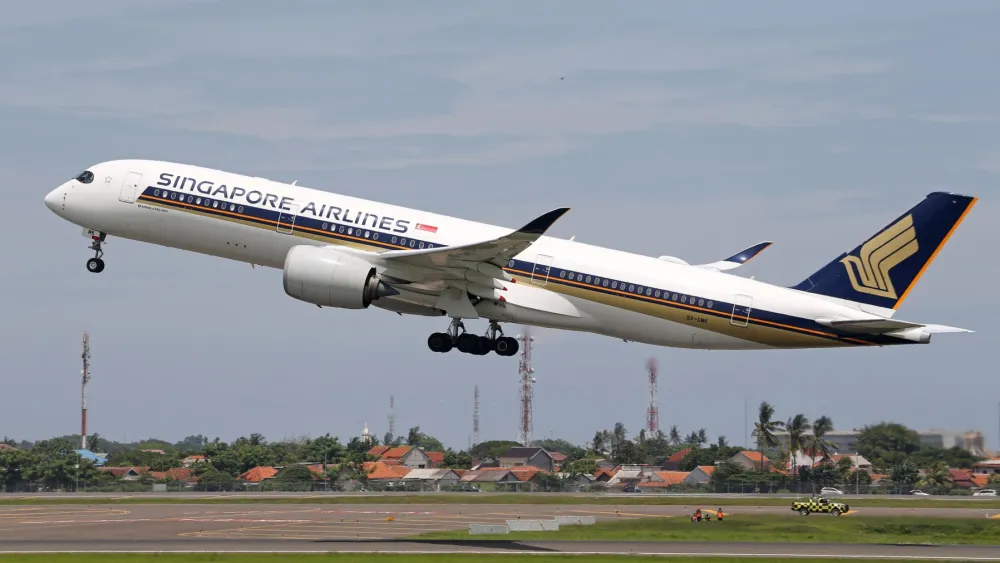
Changi Airport saw 17.3 million passengers passing through the airport during the third quarter of 2025 (July–September), marking a 3.1% year-on-year increase.
Aircraft movements, including landings and take-offs, remained stable at 91,600 for the quarter.
Changi’s top five markets for the quarter were China, Indonesia, Malaysia, Australia, and India. Among its top 10 markets, China and Vietnam recorded the strongest growth, with passenger numbers rising 9.7% and 11.3% respectively.
The most popular city links were Kuala Lumpur, Jakarta, Bangkok, Denpasar (Bali), and Shanghai, with the Singapore–Jakarta route posting double-digit growth.
On the cargo front, Changi processed 531,000 tonnes of airfreight in Q3, representing a 3.7% year-on-year increase. Imports grew strongly, up 10% from 2024 levels, despite global trade uncertainties. Changi’s top five air cargo markets were China, the United States, Australia, Hong Kong, and India.
Changi Airport’s expanding network also includes new services from Hainan Airlines, which launched four-times-weekly Singapore–Haikou–Changchun flights on 22 September, and Loong Air, operating three-times-weekly flights to Zhangjiajie from 9 October.
Batik Air Malaysia will add daily flights to Ipoh, Penang, and Subang from 8 December 2025, with operations moving to Terminal 4 from 11 November to support the airline’s continued growth.
As of 1 October 2025, Changi Airport handles about 7,000 weekly flights connecting Singapore to over 160 cities across 50 countries.

























 Read Here
 Advertise
 Sign Up