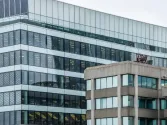
Industrial landlords adopt accommodative stance amid cost-conscious occupiers
They are offering rent-free periods, amongst others.
Industrial landlords are adopting a more “accommodative” stance as occupiers remain cost-conscious and seek to control expenses.
According to CBRE, landlords are offering rent-free periods or fit-out incentives, particularly for properties with outdated features.
Conversely, Cushman and Wakefield (C&W) said fitted units have grown in demand as tenants aim to reduce renovation costs.
Apart from fitted units, C&W said there has been good demand for sustainable and modern developments; however, capital expenditure constraints continue to weigh on new leasing demand.
Large occupiers have likewise remained cost-conscious and prefer renewal to relocation, said C&W.
“As such, most demand in the market currently tends to be smaller transactions (up to 10,000 sf) and are primarily due to flight to quality reasons,” added the expert.
Overall, CBRE said most leasing truncations are focused on renewals and relocations.
“Selected occupiers seeking to right-size their real estate footprint are likely to relocate to higher-spec facilities with good connectivity to amenities, as talent retention remains crucial for employers,” CBRE added.
The increased resistance from tenants has resulted in a moderation of rental growth.
Figures from JTC showed that rental growth for industrial spaces has slowed to 0.3% quarter-on-quarter in Q3.
However, experts remain hopeful that declining interest rates will positively impact leasing and buying demand for industrial properties, although this is anticipated to occur by 2025, according to C&W.
The September rate cut had already led to “more transactions in the strata industrial market,” said Huttons.
“Barring unforeseen circumstances, prices and rents of industrial space should be stable and may see a growth of 3% to 5% in 2024,” Huttons added.

























 Read Here
 Advertise
 Sign Up