S-REITs told not to cry even as tenants are saying goodbye
Moody’s says the negative impact brought about by the current trend of commercial tenants shifting into newly built offices and out of properties owned by S-REITs should be only temporary.
"Although a significant supply of office space is coming on-stream overthe next few years, Singapore's strong economic growth and increased demand for office space, as well as a fair amount of pre-commitments forthe new supply, mean that the good-quality properties owned by the S-REITs should readily find new tenants," said Alvin Tan, a Moody'sAssociate Analyst.
Tan was speaking on the release of a Moody's Special Comment which discusses the latest trend in the office S-REIT sector, and examines measures by the companies to mitigate the lure of new grade-A office space.
The Moody's rated S-REITs include CapitaCommercial Trust, K-REIT, and Suntec REIT.
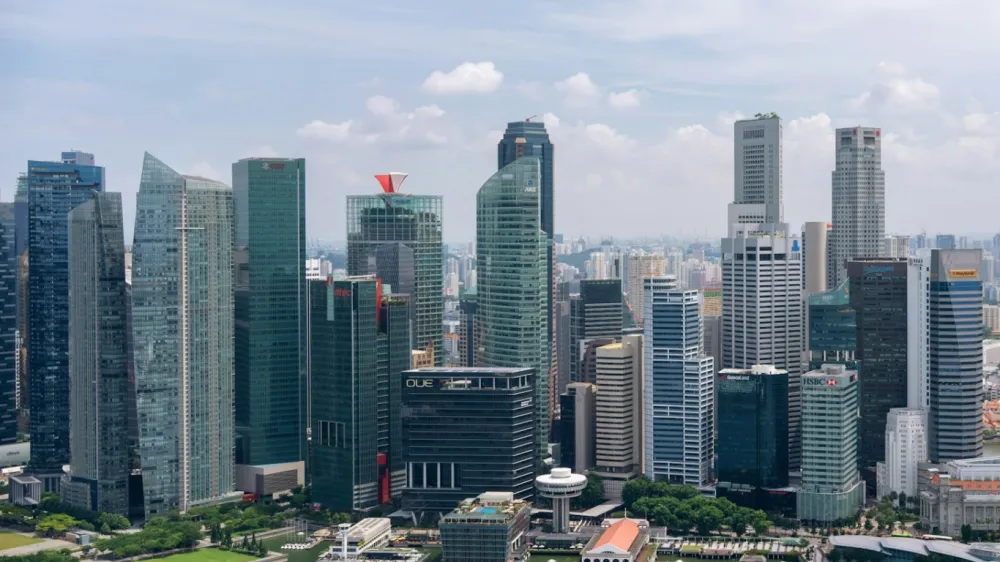
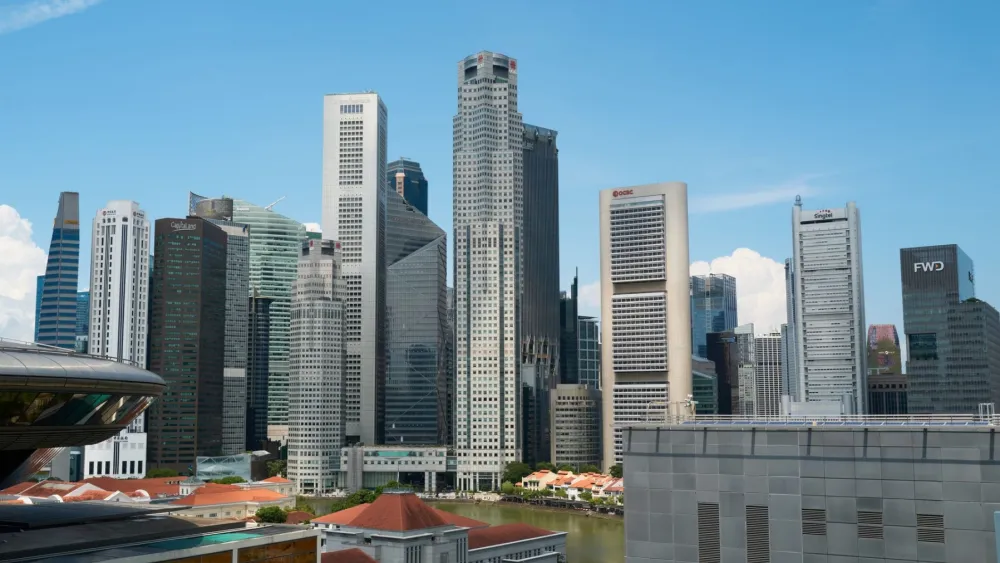
As an example, the report noted that various blue-chip commercial tenants have recently either confirmed or are presumed to be leaving facilities owned by CCT to take up space at Singapore's prestigious Marina Bay Financial Centre.
But, like other rated S-REITs, CCT has a well-spread lease profile andproactive lease management to renew leases before expiry and, as a result of announced departures, the trust has already lined up other tenants to occupy the vacated facilities.
For the entire sector, growth prospects look good, according to the report. Specifically, with the successful opening of two mega-gaming resorts, a sharp rebound in world trade, and rejuvenated financial markets in the region, the Singapore government now expects full-year growth for 2010 to reach 15%, among the highest of any major world economy.
Accordingly, CCT, Suntec and K-REIT, as the city-state's major landlords for office space, are well placed to capitalize on resurgent demand for commercial facilities from local and multinational firms.
Moreover, CCT and K-REIT have this year also adopted strategies toreconstitute their property portfolios by divesting assets that have reached the optimal stage of their life cycle, with potential reinvestment of the proceeds from sales into other assets that offer greater likelihood of accretive yields.



















 Read Here
 Advertise
 Sign Up