Refineries at half capacity threaten Singapore’s 2%–4% growth outlook
GDP grew 4.6% in the first quarter, down from 5.7% in H2 2025.
Singapore’s 2%–4% growth outlook may be revised down as refinery disruptions hit manufacturing output, according to a Bank J. Safra Sarasin report.
Economic growth moderated in the first quarter, with GDP expanding 4.6%, down from 5.7% in the second half of 2025, as manufacturing activity contracted.
The bank attributed the slowdown to weaker demand in the biomedical sector, as well as the Middle East conflict’s impact on the chemicals cluster.
Refining activity has been directly affected, with Singapore’s main refineries operating at around 50% to 60% capacity due to their reliance on Middle East crude. More than 70% of crude oil imports come from the region, exposing the petrochemical industry to supply disruptions.
The chemicals cluster, which includes petroleum and petrochemicals, accounts for about 15% of total manufacturing output and around 1.7% of GDP.
“Natural gas is the main source of electricity generation, but Singapore relies mostly on Malaysia and Indonesia for its gas imports,” the report said. “LNG imports from Qatar account for less than 10% of total gas imports.”
Meanwhile, other sectors contributed to growth. The electronics and construction sectors remain resilient, with semiconductor output benefiting from global artificial intelligence (AI) demand.
The bank said the government is prioritising AI in key sectors, including advanced manufacturing, connectivity, finance, and healthcare.
“We expect AI integration and investment, both from the US and China, to underpin medium-term growth,” it added.
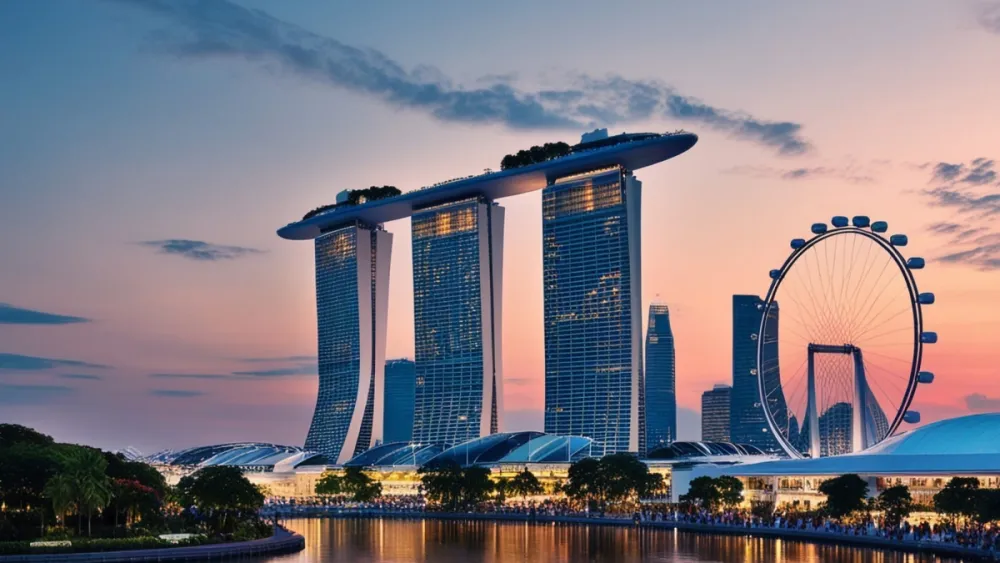
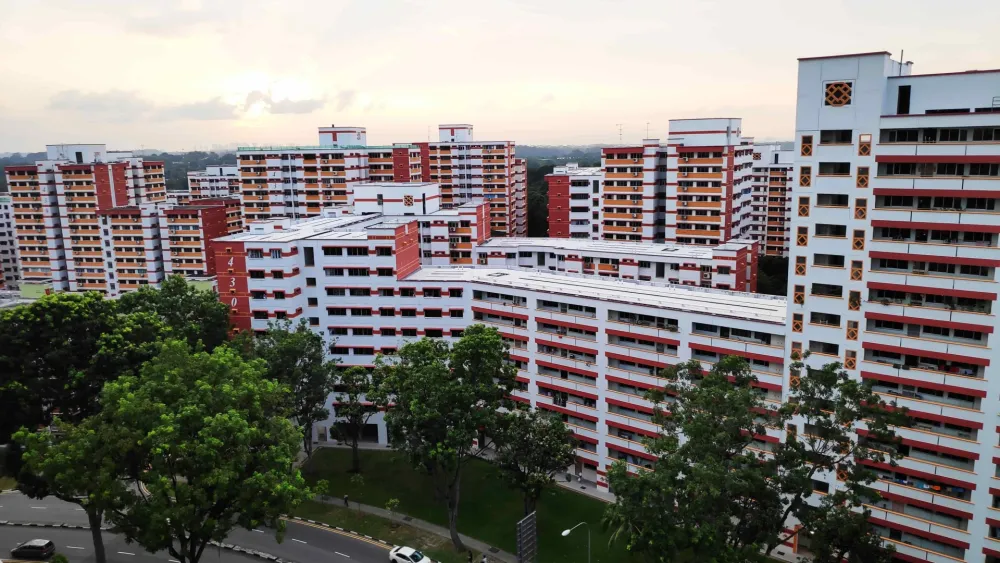
Construction activity has also remained strong, supported by large-scale projects such as Changi Airport’s Terminal 5 and the expansion of Marina Bay Sands, as well as public housing developments.
Supply disruptions have also pushed up costs, feeding into higher inflation. The Monetary Authority of Singapore (MAS) has raised its core inflation forecast for the year to 1.5%–2.5%, from 1%–2% previously.
In response, MAS tightened policy by increasing the rate of appreciation of the Singapore dollar nominal effective exchange rate, whilst flagging risks to growth.
Mali Chivakul, Emerging Markets Economist at Bank J. Safra Sarasin, said the Singapore dollar is expected to remain strong despite moderating growth.
“Whilst further monetary tightening is likely this year, growth concerns could keep the MAS on hold in July as it monitors the war’s second-round effects on inflation,” she said.
Chivakul added that growth has slowed partly due to the frontloading of production ahead of US pharmaceutical tariffs, alongside the impact of the Middle East conflict on the chemicals cluster.
With the US Federal Reserve expected to stay on hold for the rest of the year, Singapore’s interest rates are likely to stabilise.
“Low interest rates will continue to weigh on Singapore equities given the high concentration of banks in the index,” Chivakul said.


















 Read Here
 Advertise
 Sign Up