Watchdog warns weak fines leave S’pore exposed after $3b laundering case
The market remains vulnerable to illicit fund flows despite its mature financial sector.
Singapore may need to toughen enforcement and raise penalties for financial crimes as its expanding financial and digital asset sectors increase exposure to illicit flows, according to an international anti-money laundering watchdog.
In its latest mutual evaluation report, the Financial Action Task Force (FATF) said the city-state remains highly exposed to proliferation financing risks due to its reputation as a major financial centre.
Its political stability, mature financial sector, and connectivity make it vulnerable to the laundering of overseas criminal proceeds through the country, with Singapore serving as a transit and integration point for illicit funds, it added.
The findings come after Singapore’s high-profile $3b money laundering case in 2023, which saw 10 foreigners convicted for laundering illegal proceeds from overseas gambling syndicates through luxury properties, golf club memberships, and multi-million-dollar bank accounts.
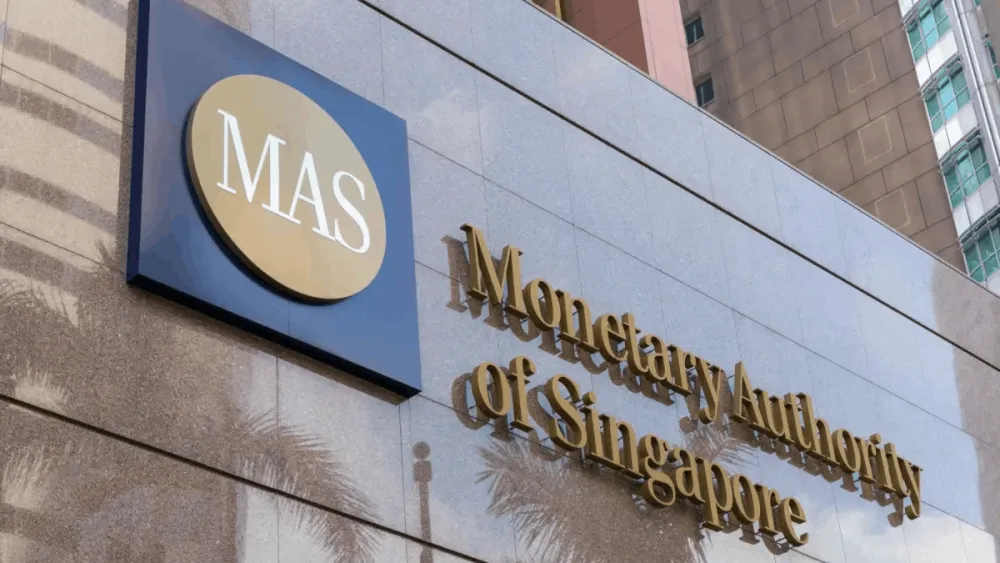
Last July 2025, the Monetary Authority of Singapore (MAS) imposed $27.45m in penalties on nine financial institutions for anti-money laundering breaches linked to the case, marking the conclusion of its enforcement actions against firms tied to the investigation.
However, FATF pointed out that the country’s penalties remain weak.
“Penalties are low for money laundering, which undermines dissuasiveness,” it said.
Financial sanctions imposed on financial institutions and virtual asset service providers were also not proportionate to their size, the severity of the breaches, or Singapore’s level of risk exposure.
“Basic and beneficial ownership information for legal persons is available but is largely unverified beyond customer due diligence, making the accuracy of the information questionable,” the watchdog added.
The report identified fraud—particularly scams and cyber-enabled fraud orchestrated by overseas syndicates—as Singapore’s top money laundering threat, followed by corruption, organised crime, tax crimes, and trade-based money laundering.
Total fraud losses reached $734m (US$573m) in 2025, whilst money laundering and other illicit activity amounted to $17.75b (US$13.84b) over the same period, a separate Nasdaq report showed.
Meanwhile, MAS said that they remain firmly committed to complying with FATF standards and acknowledged that the country’s openness exposed it to increasingly cross-border financial crime risks.
“Singapore, like other open economies, will continue to face nefarious actors who seek to exploit our economy and financial system for illicit purposes,” the authority said.
It added that it will expand its Collaborative Sharing of Money Laundering/Terrorism Financing Information and Cases (COSMIC) platform to include additional major banks as part of efforts to strengthen industry collaboration.
Earlier this week, MAS convened the chief executives of major financial institutions to discuss artificial intelligence-enabled cyber threats after the government warned that advanced artificial intelligence (AI) models could accelerate and automate cyberattacks.
Moreover, it has partnered with banks to conduct a proof-of-value exercise to test AI and machine learning techniques for pre-emptive scam detection.


























 Read Here
 Advertise
 Sign Up