Tech solutions emerge as key to investor retention in Singapore
Singapore asset managers invest in tech to boost investor retention.
In Singapore, 74% of asset management firms have lost an investor due to delayed and inefficient investor onboarding, Fenergo reported.
The failure in investor retention stems from inefficient Know Your Customer (KYC) processes, challenges in investor onboarding, and the rising costs of regulatory compliance.
According to Fenergo, asset management firms worldwide need help to control the costs of conducting KYC reviews. Conducting KYC reviews in Singapore costs $2,159, consuming a large share of the compliance budgets of asset managers.
In addition, Singapore asset managers are particularly challenged with flexibility, with 82% saying their systems cannot adapt to changing regulatory demands.
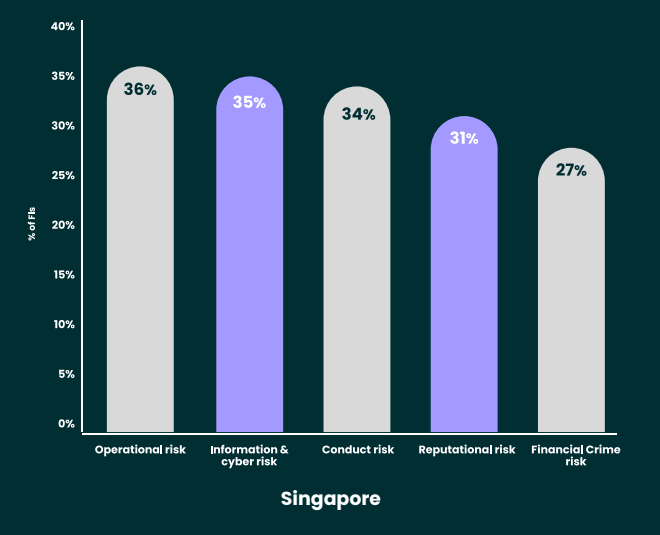
To address these challenges, Singapore asset managers are prioritising tech investments in the top five risk areas: operational risk (36%), information and cyber risk (35%), conduct risk (34%), reputational risk (31%), and financial crime risk (27%).
Fenergo surveyed 450 executives and client services teams from tier 1 asset management firms with $51b or more in assets under management (AUM) across the UK, US, and Singapore in September.
























 Read Here
 Advertise
 Sign Up