HSA clears cancer-detecting AI for routine hospital use
Intelligent Scopes Corp secures regulatory green light for its new bladder cancer software.
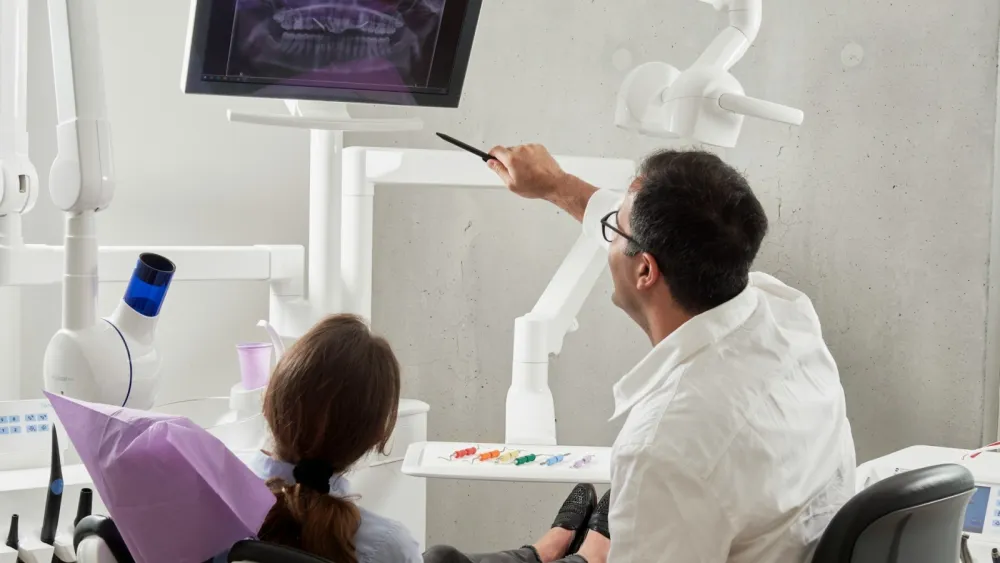
An increasing focus on advanced imaging and diagnostic solutions is driving Singapore’s medical device sector to integrate artificial intelligence (AI) in routine clinical practice.
The sector’s development is in line with the country’s goal of a ‘future-ready’ healthcare system capable of meeting rising demand and complexity, according to a GlobalData report.
A key development is the US-based medical technology company Intelligent Scopes Corp securing regulatory approval from the Health Sciences Authority (HSA) for its AI-powered software tool, CystoSmart, which supports bladder cancer detection.
The tool analyses cystoscopy images to help clinicians detect and characterise lesions, reducing variability in interpretation while leaving final decisions to the clinician.
The approval comes as Singapore and Malaysia launched the Medical Device Regulatory Reliance Programme, a six-month pilot initiative running until 28 February, aimed at shortening approval timelines for selected medical devices.
Under the programme, Singapore’s HSA and Malaysia’s Medical Device Authority may rely on each other’s regulatory assessments for moderate- to high-risk devices, covering Classes B, C and D.
Under Singapore’s full-evaluation route, review timelines can take up to 160 working days for Class B devices, 220 days for Class C, and as long as 310 days for Class D.
Whilst the pilot is expected to attract more capital from venture funds, private equity firms, and investors, analysts note that its short duration may limit uptake as companies typically plan strategies in three- to five-year cycles.
“Singapore’s digital health landscape is increasingly defined by structured oversight and real-world implementation,” said Anindita Ghosh, Medical Devices Analyst at GlobalData. “This enables digital health solutions to be used more reliably across Singapore’s healthcare system.”
Ghosh added that AI-based software supports faster and more consistent interpretation of medical images, reduces variability in diagnosis, improves workflow, and aids clinical decision-making, whilst still relying on clinician oversight for the final assessment.
On the domestic front, the National University Health System (NUHS) has partnered with Genesis MedTech Group to develop AI projects in surgery and engage NUHS clinicians to support product development aligned with clinical requirements.
Both organisations will also set up the “Genesis-NUHS AI Innovation and Surgical Training Lab”.
Separately, the Singapore-MIT Alliance for Research and Technology has launched a research centre to develop a wearable ultrasound imaging system for real-time monitoring of chronic conditions.



























 Read Here
 Advertise
 Sign Up