Chinese crutch: Singapore tourism propped up by mainland high-rollers
Is Singapore tourism too dependent on rich Chinese?
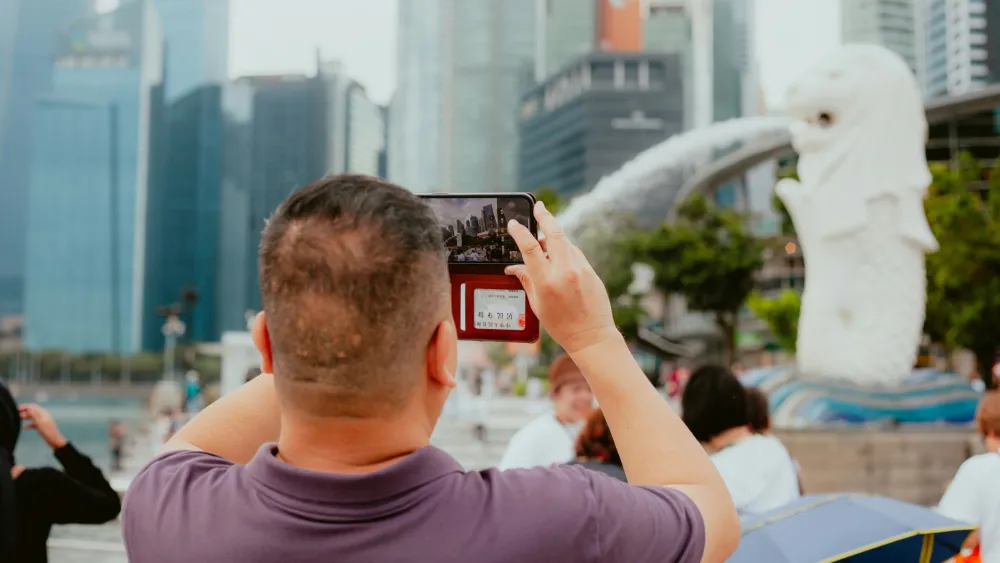
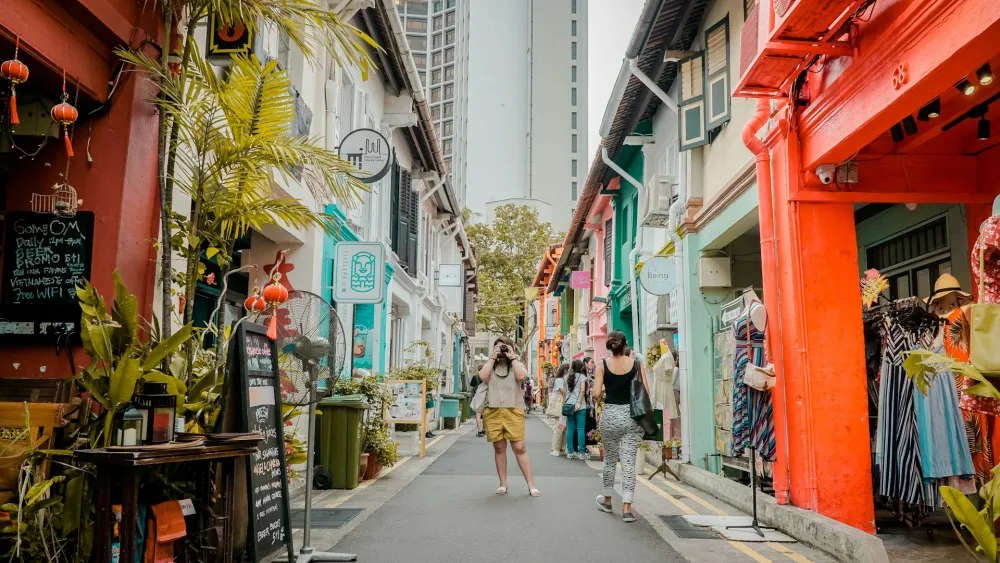
More and more wealthy tourists are now flocking to Singapore. The island is steadily emerging as a new luxury tourist destination, but is the buoyant industry too dependent on rich Chinese?
According to CIMB’s Asia-Pacific Travel and Leisure Report, Singapore’s luxury tourism sector has been propped up by Chinese spending over the past two years. This growing dependence may now be at risk due to the declining number of Chinese tourists.
“During 2013, Chinese spending reached c.S$3.0bn, exceeding the previously highest spenders - the Indonesians (at S$2.3bn), for the first time since 2007. Furthermore, tourism shopping tax refund company Global Blue recently pointed out that Singapore remains as the second most favored shopping destination for the Chinese, after Paris,” the report noted.
Here’s more from CIMB:
Singapore’s tourism growth has been stellar in the past two years. But since the introduction of the new Chinese law on 1 Oct 2013 that prevents tour agencies from organizing extremely cheap tours tied to ‘forced shopping’, the arrival rates from China has dropped by 31% yoy in 4Q13.
However, during this period, Chinese tourism receipt grew by 1% as more Chinese travelled here on
their own – a group who tend to spend more than visitors on multi-country package tours.With the government aiming to position Singapore as a top luxury lifestyle destination through various
partnerships with Chinese tourism providers, coupled with the China’s outbound travel market expected to grow to 100m trips (from 83m in 2012) - translating into c.S$300bn in tourist spending by 2020, Singapore is
well-positioned to benefit from the growth of the Chinese tourism market.






















 Read Here
 Advertise
 Sign Up