Most SMEs struggle to upgrade staff's skills
More than 3 in 5 spend less than $500 per staff annually.
Most SMEs are investing in skills training for their workforce despite eight in 10 saying they are hindered in doing so.
This is one of the key findings of the 2016 SME Development (SMED) Survey conducted by DP Information Group (DP Info), Singapore's leading provider of business intelligence and credit analytics. The SMED Survey is the definitive research on Singapore's SME community, with 2,513 SMEs taking part.
The survey found 68 per cent of Singapore SMEs invested in manpower development programs to improve the skills of their workforce. Construction firms were the most likely to spend on skills training (88 per cent) followed by SMEs in the Infocomm sector (75 per cent). Wholesale (56 per cent) and Retail (62 per cent) were the least likely to spend on skills training.
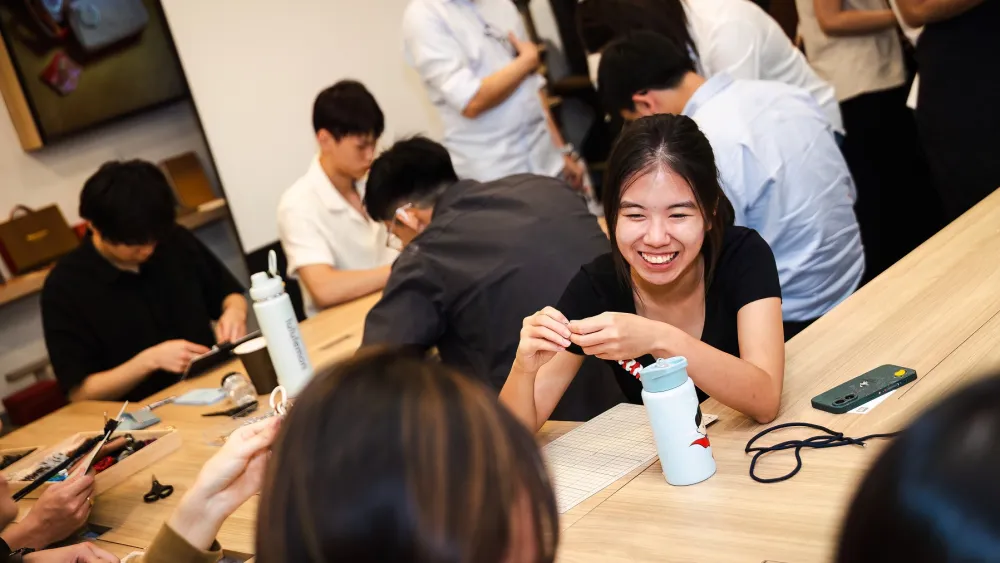
Of the companies that do invest in skills training, 66 per cent spend up to $500 per employee per year, including 18 per cent that spend up to $100 per employee per year.
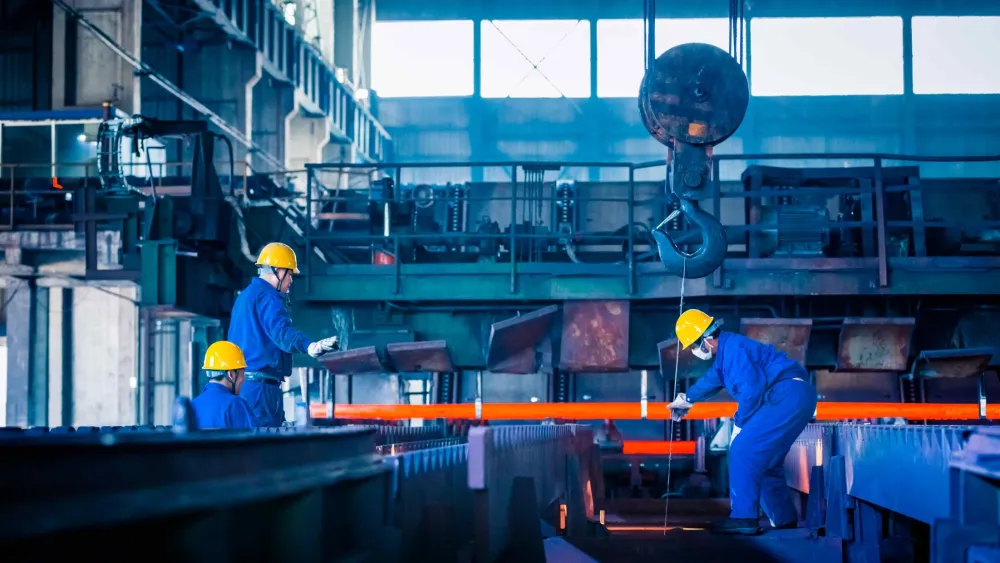
According to the survey, 85 per cent of SMEs are hindered in their efforts to upgrade the skills of their workforce. Manufacturing companies face the most obstacles to skills development (90 per cent), while retail firms face the least (74 per cent).
Mr Lincoln Teo, Chief Operating Officer of DP Info said upgrading the skills of their employees will be a major challenge for SMEs in the next few years.
“Cost is always an issue which limits how much SMEs are prepared to invest in training. With the majority spending less than $500 per employee per year, it appears SMEs are doing the training they have to do, rather than the training they might want to do,” he said.
Overall, majority or 66% only spent less than $500 (48% spent over $100-$500 while 18% only invest up to $100).


























 Read Here
 Advertise
 Sign Up