RHB downgrades Singapore banks to Neutral on weaker outlook
Banks are expected to feel pressure across several fronts, including lending, interest income, and non-interest revenue.
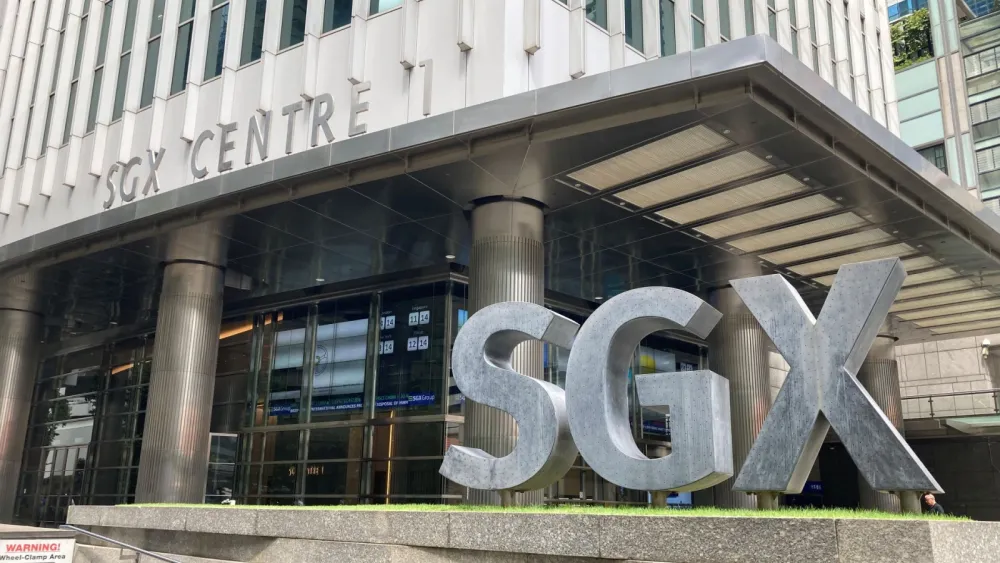
Singapore’s banking sector has been downgraded to Neutral from Overweight by RHB Group, as growing macroeconomic headwinds and geopolitical risks, particularly stemming from the US tariff standoff, cast a shadow over near-term growth prospects.
“US President Donald Trump’s reciprocal tariffs have injected further uncertainty into the market,” RHB analysts said, prompting the firm to align its sector outlook with a more cautious macroeconomic stance. The move follows a downward revision of sector earnings forecasts by 2–3% annually from FY2025 to FY2027.
Singapore’s GDP growth projection has been cut from 2.8% to 2% for 2025, with RHB warning of a deeper slump. “The balance of risks [is] tilted towards a lower print of 0.5–1% if tensions escalate further,” the report states.
Against this backdrop, banks are expected to feel pressure across several fronts, including lending, interest income, and non-interest revenue. “Weakening export demand and slower economic activities will impact trade as well as working capital loan demand,” the analysts noted.
Non-interest income (non-II) is also at risk, with the report highlighting that “lower loan, trade, investment banking, and – possibly – wealth fees are all potential dampeners.”
FY25 earnings for the sector are now forecast to decline by 2.5% YoY, reversing earlier flat-growth expectations. “We trim FY25F-27F sector earnings by 3%, 3%, and 2%,” the report detailed.
Amongst individual banks, United Overseas Bank (UOB) sees the sharpest revision, with profit forecasts cut by up to 3.8% in FY25. OCBC’s earnings outlook was more resilient, with analysts noting that “its exposure to trade and the more vulnerable sectors appears to be lower than its peers.”
Despite the downgrade, Singapore banks’ strong capital positions and commitment to shareholder returns may limit the downside. “Banks are dishing out dividends and returning capital to shareholders. As long as said factors remain intact, the potential downside could be milder,” RHB said.
Top pick DBS was the only bank to retain a Buy rating, with a revised target price of $47. “We remain comfortable with the bank’s ability to stick with its dividend and capital return plans,” the report noted, adding that its 7.5% FY25 dividend yield and “+490bps spread over the 10-year government bond yield should help drive the stock’s relative outperformance.”
With Singapore bank shares already down roughly 13% from peak levels, RHB analysts warned that a further 20% slide is possible in a worsening scenario.
Drawing from historical market downturns like the euro debt crisis and COVID-19, they added: “The sector saw a peak-trough drop of c.30%... this suggests the possibility of a potential downside of almost 20% from current levels if conditions worsen.”
Still, the banks’ defensive fundamentals—strong asset quality, robust capital ratios, and high dividend yields—offer a measure of resilience amid global economic turbulence.

























 Read Here
 Advertise
 Sign Up