Monday Wrap: GDP upgrade, cyber blind spots, and art shift
Mixed signals as hiring softens, wealth competition rises, and tech AI gains continue.
Last week in Singapore Business Review, Nomura raised Singapore’s 2026 growth outlook to 4.6% on artificial intelligence (AI)-driven export strength, whilst ransomware breaches went undetected for weeks as AI cyber risks rose, and Asia-Pacific collectors shifted toward rare, high-provenance artworks over volume.
Nomura kept its 2026 Singapore gross domestic product (GDP) forecast at 4.6%, above official estimates, as AI-driven electronics and broad-based export gains lifted Singapore’s NODX sharply despite geopolitical and trade risks flagged by other analysts.
Nearly half of Singapore ransomware victims detected breaches only after data theft, with attackers remaining undetected for about 2.5 weeks amidst rising AI-driven cyber threats and weak enterprise detection.
Asia-Pacific collectors are turning more selective, prioritising rare works with strong provenance as demand shifts from volume to quality, led by stronger Southeast Asian participation in Hong Kong auctions.
Low employee engagement in Singapore could cost nearly $95b in productivity, with only 14% of workers feeling engaged and younger employees reporting higher stress tied to cost pressures and job uncertainty.
Firms are increasingly using fractional executives to cut senior hiring costs by 50% to 70%, opting for short-term leadership roles amidst uncertainty and demand for flexible, experienced senior talent.
Singapore’s wealth management sector is projected to grow 8% annually to 2030, but faces rising competition from India, Japan, and South Korea as regional capital pools deepen and investor reforms accelerate across Asia-Pacific.
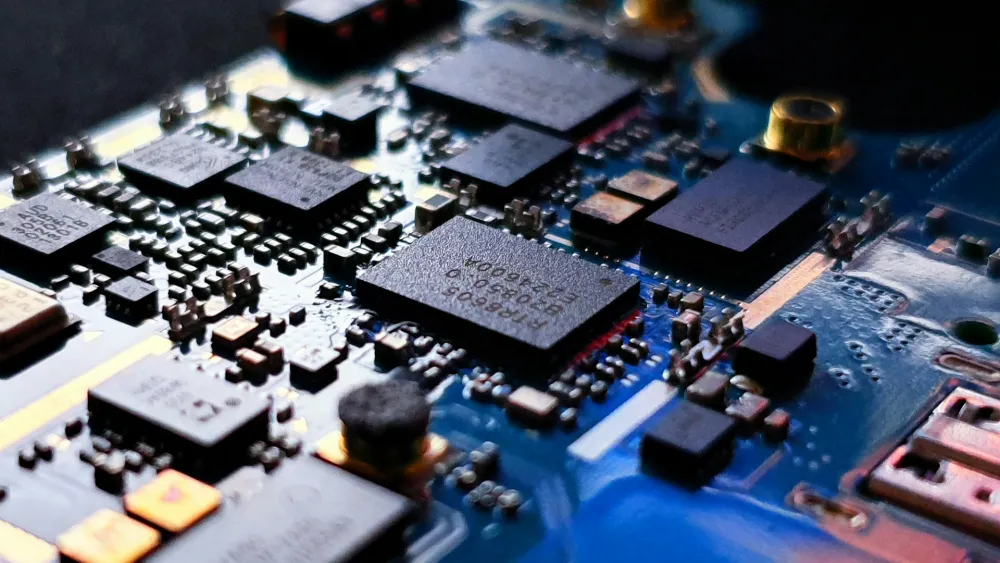
Tech stocks are seeing valuation gains and strong institutional inflows as AI-driven chip demand fuels a global semiconductor capex cycle, with semiconductor equipment and small-mid cap manufacturers among the key beneficiaries.





















 Read Here
 Advertise
 Sign Up