Singapore could add 0.8 GW of nuclear capacity by 2050
It is expected to reduce its dependence on imported LNG.
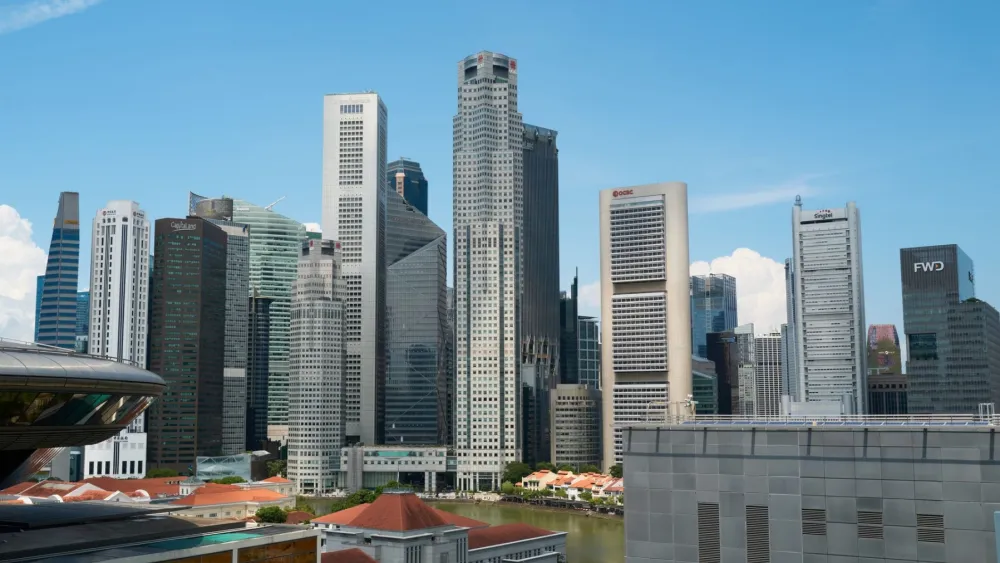
Singapore is expected to add up to 0.8 GW of nuclear capacity by 2050, according to new report by Wood Mackenzie.
The report, “What if Southeast Asia goes nuclear?”, said the move is likely to reduce the city-state’s reliance on imported liquefied natural gas (LNG) and clean electricity.
Small modular reactors (SMRs) are the preferred technology in Southeast Asia, despite higher costs—$282/MWh (US$220/MWh) versus $129/MWh (US$101/MWh) for conventional nuclear plants—as they can be deployed faster and with less regulatory complexity.
SMRs could also expand corporate power purchase options for reliable and low-emission baseload electricity.
Southeast Asia currently has no operational nuclear capacity, relying heavily on coal and gas.
The region could require $266b (US$208b) in investment to develop 25 GW of nuclear capacity by 2050, according to Wood Mackenzie.
National utilities are expected to co-invest in projects to share risks and meet capital needs.
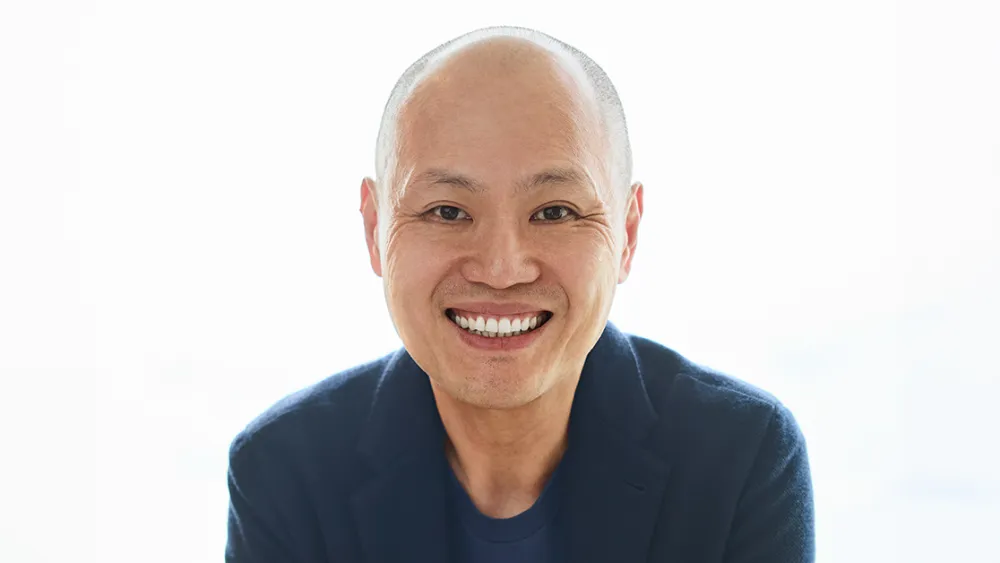
“Nuclear power offers Southeast Asian governments an interesting proposition: emissions-free baseload power that can be deployed without major grid upgrades,” said Robert Liew, director of Asia Pacific (excluding China) for renewables research at Wood Mackenzie. “Yet the region's limited operational experience raises significant risks around political opposition, cost overruns and long-term uranium fuel security.”
For Singapore and other higher-cost liberalized markets such as the Philippines, nuclear power could help lower wholesale electricity prices, creating an economic incentive beyond emissions reduction.
“Whilst nuclear offers a clear pathway to emissions reduction and energy security, the substantial investment requirements and technological risks require careful consideration by regional policymakers and investors,” Liew said.
“The success of the region's nuclear dream will depend on developing appropriate regulatory frameworks and securing experienced international partners," he added.





















 Read Here
 Advertise
 Sign Up