Co-living market remains resilient amidst private residential rents decline
Co-living is now viewed as a permanent fixture in Singapore’s housing ecosystem.
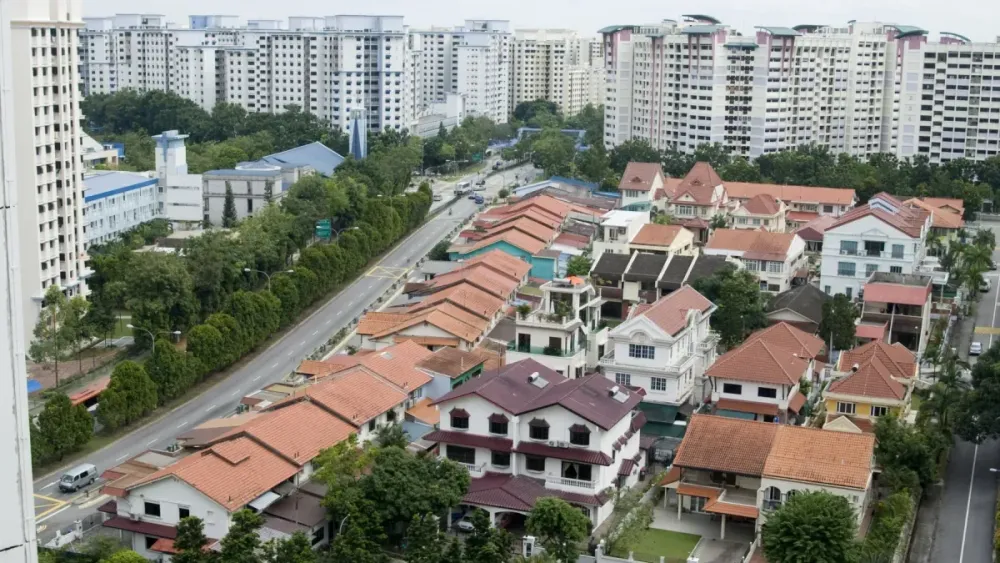
Even as private residential rents fell for three straight quarters following a surge in new housing supply, co-living operators held steady with strong occupancies, underscoring the sector’s resilience and growing role in the city’s housing market, according to a report by JLL.
The completion of nearly 30,000 private housing units in 2022 and 2023, along with an expansion in co-living inventory, eased shortages caused by pandemic-era construction delays.
The influx of new supply drove conventional rental growth lower, but co-living spaces bucked the trend, sustaining demand through affordability, flexible lease terms and community-based amenities.
The report said long-term structural drivers continue to support growth.
Singapore’s large expatriate and foreign student population, paired with high conventional housing costs and land constraints, is fueling sustained demand for alternatives. Younger professionals delaying homeownership are also turning to co-living, drawn by mobility and lifestyle-focused living arrangements.
JLL said expansion pipelines are active over the next two years, reflecting continued confidence despite more measured but quality-focused growth trends.
Many operators are adopting asset-light models and investing in technology-enabled processes to enhance operations and scale efficiently.
JLL said these trends point to a maturing sector that can withstand cyclical downturns. While the broader residential market adjusts to new supply, co-living is increasingly viewed as a permanent fixture in Singapore’s housing ecosystem.
























 Read Here
 Advertise
 Sign Up