Penny-pinching expats ditch luxury homes, move to suburbs on back of housing allowance cuts
Private rents slipped by 3% last year.
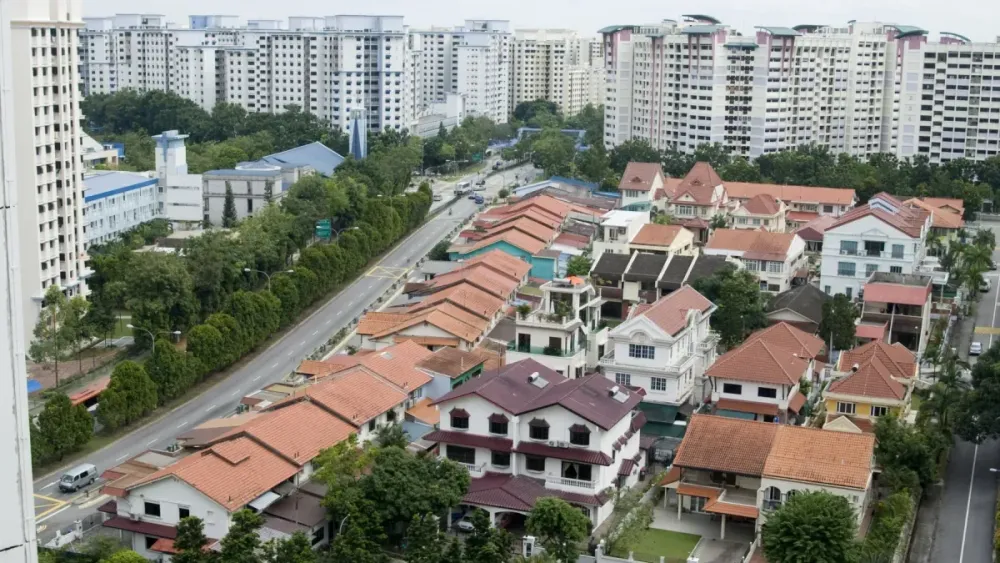
Tighter housing budgets are urging more expats to ditch their prime city-centre homes and move to the suburbs to cut costs, a report by PropertyGuru revealed.
The report showed that overall private property rents slipped by 3% in 2014. The decline can be attributed to the fact that most businesses are focusing on cost savings, which results in more constrained housing budgets.
“The strain is particularly acute in the high-end market as the housing allowances of expatriates continue to be trimmed. Tighter housing budgets have resulted in tenants moving to less expensive locations for example, from prime districts to outer prime or fringe locations, with those on a limited budgets in the range of $2,500 to $4,000 per month are likely to consider the suburban market,” the report noted.
The report further stated that many expat professionals with families who are based in the CBD are focused on reducing household expenses, and living in the suburbs would make better financial sense.
Another reason could be the decentralisation of offices from the city centre to the suburbs. This has encouraged expat nationals, who typically form the bulk of renters, to favor properties close to their workplace.
A notable example is Changi Business Park, which has attracted more expats to venture into renting public and private properties in the surrounding districts, namely Bedok, Simei, Tampines and Tanah Merah.



























 Read Here
 Advertise
 Sign Up