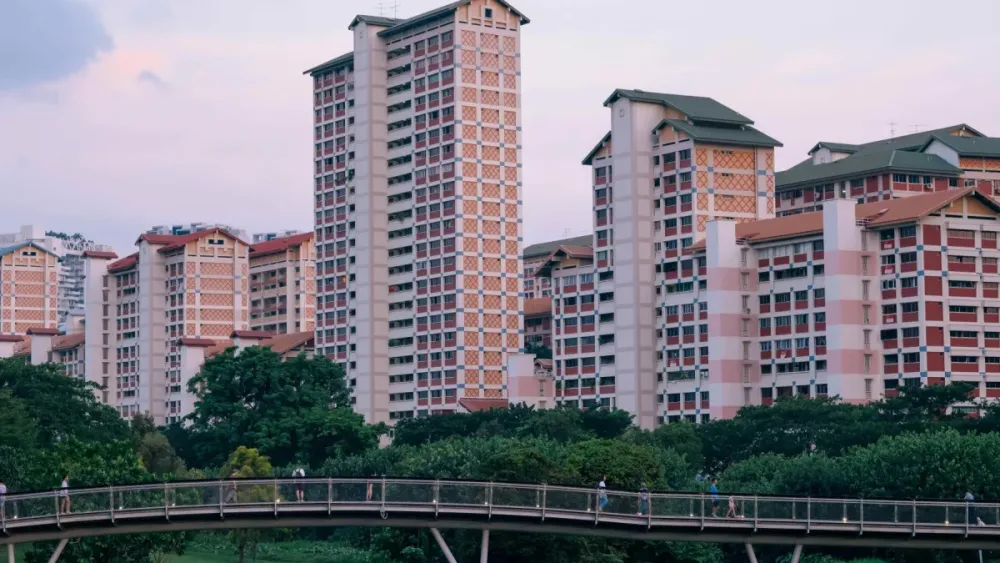
Developers bear the brunt of new policy on shoebox units
They might have to sell larger units at a cheaper price to shift stock.
Bloomberg reported that the new guidelines revealed by the Urban Redevelopment Authority (URA) which will trim the maximum number of apartments allowed in a project by 18% due increasing the average minimum area of flats outside the central areas could dent profitability for developers which may have to undergo a pricing rethink.
“The July curbs put the handbrake on en-bloc transactions,” said Nicholas Mak, head of research at real estate consultancy ZACD Group Ltd. New rulings on unit sizes “could actually have a higher impact.”
Also read: Shoebox apartments lend support for Singapore banks
Coupled with having to shell out an additional 9% for land acquisitions amidst the cooling measures in July, developers will now also have to build larger apartments and be forced to sell units at a cheaper price to shift stock, Mak said.
Building fewer, larger units might actually be the fortune for developers in Singapore, United First Partners head of Asian research Justin Tang said.
"This could make a calibration of price on a per-square-foot basis necessary, which will eat into margins,” he explained.
URA urged developers to build a mix of unit sizes that could accommodate even larger families and facilitate multigenerational living. They added that they will oversee the overall layout, design and unit sizes of the development proposals, and may even add other requirements ‘where necessary to protect the quality of the living environment’.
Here’s more from Bloomberg.

























 Read Here
 Advertise
 Sign Up