Near-term supply deficiency to result in public homes with sticky price tags
DMG Research cites the current low interest rate environment and positive carry on rental properties as key factors in driving down home prices.
In a report, the analyst said that with stringent immigration policies moderating population growth, a more balanced demand supply scenario could be expected in FY14/15 at the earliest.
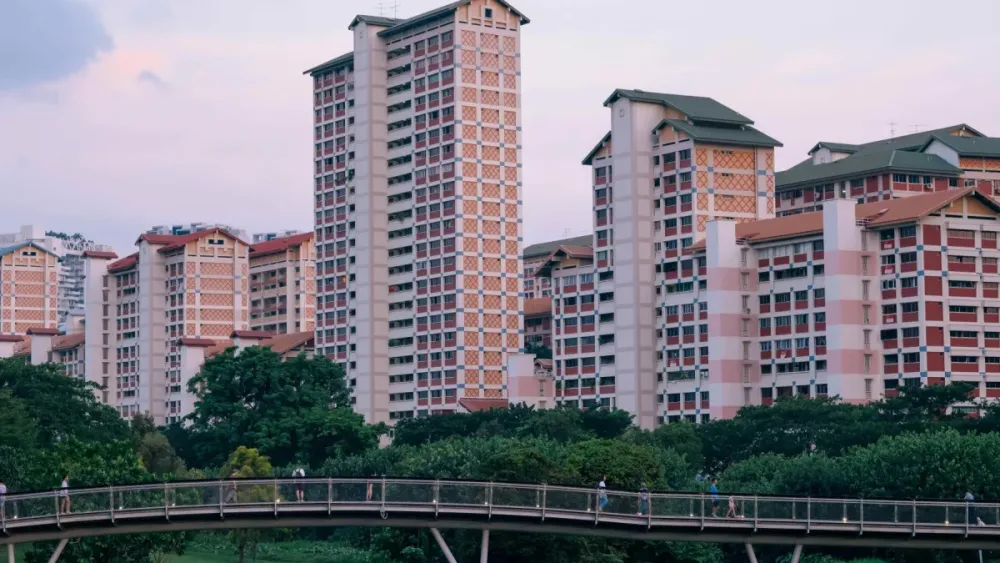
“For the Singapore property sector with more than 80% of housing in the public HDB segment, apart from market demand we believe policy is a main driver of long run residential real estate prices,” DMG Research said.
The report, which traced the price movement of residential properties in Singapore from the 1990’s until now, concluded that secular price trends for private real estate prices accentuate from major policy changes.
It listed the strong run up in residential prices in the 80s due liberalization of CPF policies, the sharp correction following anti-speculation measures in 1996 and the withdrawal of deferred payment scheme in 2007 as the main events that affected residential property prices in the past.
At present, Singaporeans seeking marriage homes with HDB s are rejoicing due to the board’s confirmation of a hike in income ceiling from S$8,000 to S$10,000 (and for ECs from S$10,000 to S$12,000) as a qualification for property purchase.
With primary sales by developers down -6.4% YoY to 7,755 units in 1H11 and visible signs of easing in property price increases DMG said a potential siphon of underlying housing demand from the private mass market housing segment to HDB “lies in wait.”
The analyst noted, however, that with the recent policy moves such as the January cooling measures seen to dampen speculative buying, developers and home buyers are likely to adopt a more cautious attitude towards land-banking/home purchases leading to price or volume softening.
























 Read Here
 Advertise
 Sign Up