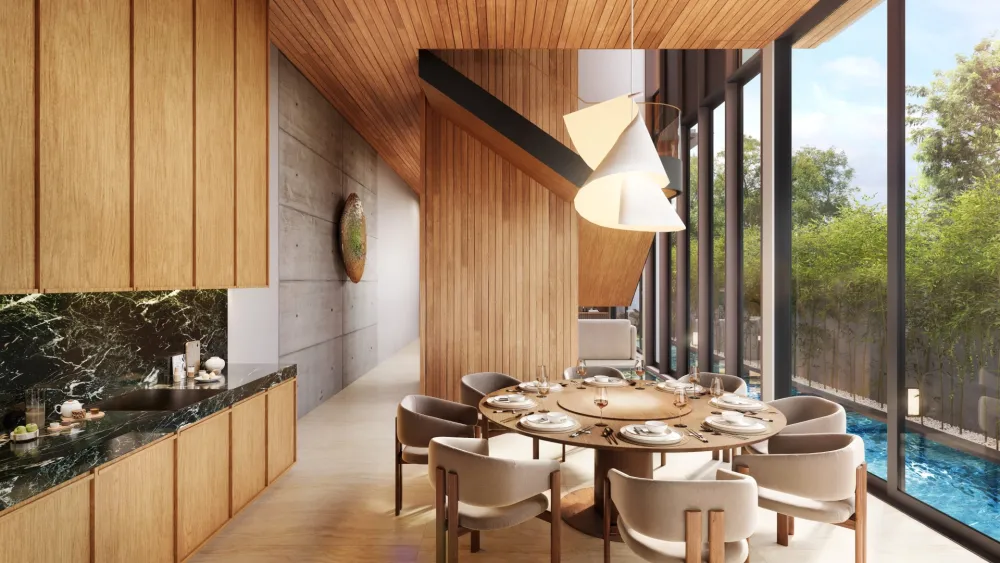
Singapore’s posh home prices drops 15% in a painful six-quarter struggle
It’s now among the world’s weakest luxury markets.
Adding salt to the wound, the city-state was trumped by its rival Hong Kong in terms of luxury residential prices with the latter instituting a new cooling measure where a 40% deposit is required for properties under US$900,000m.
Singapore and Mainland China were the outliers among the trend of growth of Asian countries in the Prime Global Cities Index, with seven Asia Pacific countries joining the top ten.
“Since the Lehman crisis in September 2008, prime Asian residential markets have seen some of the strongest price growth globally. Jakarta, which is seeing its market slow in 2015 on the back of a cooling economy and additional taxes, leads the way with a staggering 174.5% price appreciation over this period,” the report from Knight Frank said.
“Beijing and Shanghai, the political and financial capitals of China, have also seen their prime markets significantly appreciate over this period, with the huge growth in the number of HNWIs’ demand for high-end property. Recent volatility in the Chinese stock market could lead to more capital seeking brick and mortar, providing a boost to demand in Tier-1 Chinese prime residential markets,” the report added.
























 Read Here
 Advertise
 Sign Up