Singapore's asset bubble not likely to burst despite QE3
But short term boost in buyer sentiment is expected.
According to Colliers International, Singapore’s residential prices see relatively less correlation with compression of U.S. bond yields and are not historically vulnerable to QE announcements, as compared to Hong Kong.
During QE1 and QE2, Singapore’s residential prices edged up 7.5 per cent and 4.2 per cent, respectively, which were relatively milder than the home price inflation experienced in Hong Kong during the same period.
“Short term boost in buyer sentiment is expected with the QE3, but we think that the effects will be limited in Singapore and will likely peter out before the end of 2012,” says Ms Chia Siew Chuin (谢岫君), Director of Research & Advisory, Singapore.
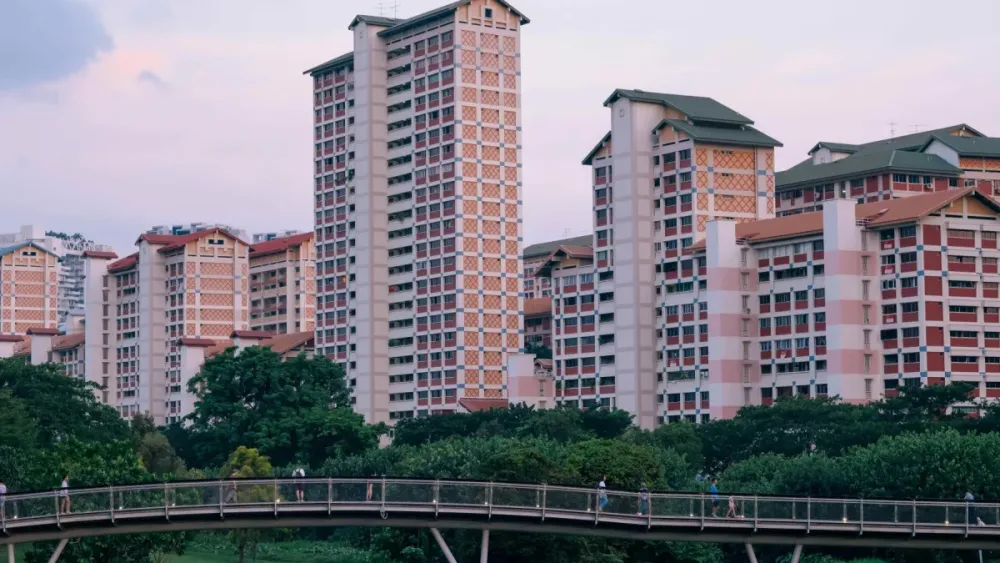
Ms Chia adds, “Singapore’s housing market is not directly susceptible to foreign capital flows as approximately 80 per cent of the population resides in public housing apartments. This represents a sizeable housing stock under the government’s control.
In addition, the government has introduced five rounds of cooling measures to curb the overheated housing market since 2009, including the most recent one targeting foreigners and non-individuals (corporate entities) with an additional buyer’s stamp duty of 10 per cent . This has lowered the participation of foreigners in Singapore’s private housing market, where a mere six per cent of all purchases from January to August 2012 were made by foreign buyers.”





















 Read Here
 Advertise
 Sign Up