Singapore retailers push for premiumisation
Firms handling brands like Johnnie Walker are tapping into more Singaporeans looking for luxury.
When Diageo’s scotch whiskey brand, Johnnie Walker, thought of making a stronger splash in Singapore, it opened a by-invitation-only private suite called Johnnie Walker House where selected guests could sample limited-edition whiskies from some of the rarest distilleries of Scotland. The space is the first in Southeast Asia and one of 26 suites in the world, and was a strategic move to tap into Singaporeans’ rising demand for premium products and consumer experiences.
“As consumers become more discerning, they are also actively seeking out access and rare experiences,” said Praveena Sivanesarajah, general manager, Emerging South East Asia at Diageo.
BMI Research noted that Diageo’s strategy takes advantage of the big opportunity for brands to provide premium products and services in Singapore, especially amidst intensifying e-commerce competition and rising discretionary spending amongst Singaporeans. Other brands are likewise choosing to deliver the premiumisation strategy through their physical stores.
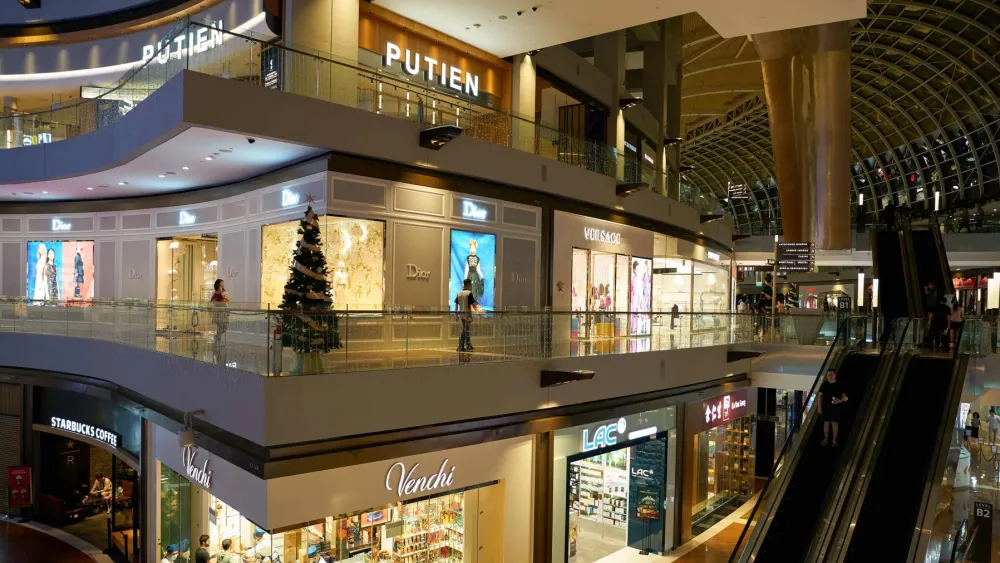
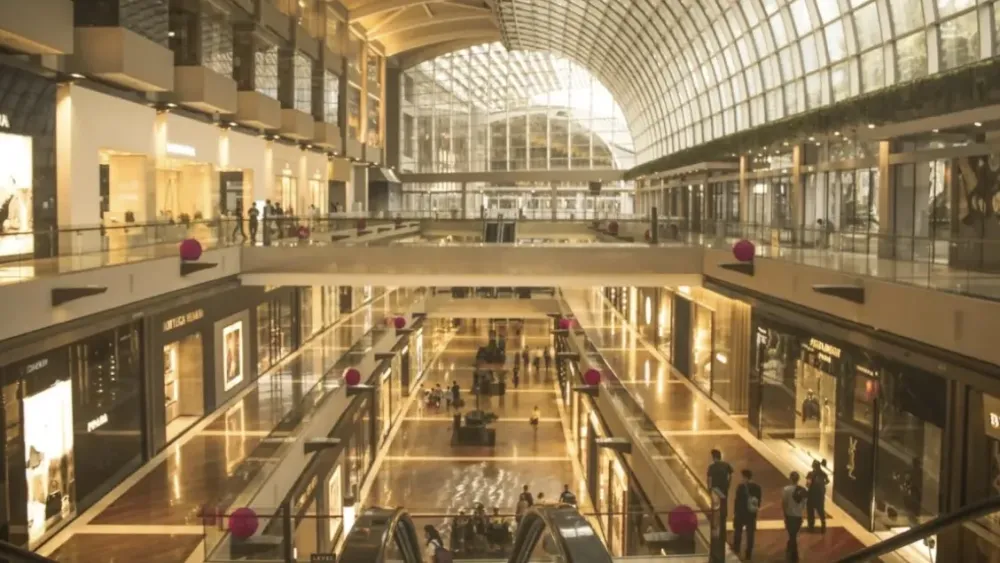
Spanish winemaker Gik, for example, is planning to sell its popular blue-colored wines via Blue Willow, a blue-themed cafe where Singaporeans can savour the drink and take Instagram selfies. There are also cafés inspired by movie or cartoon characters springing up across the island, such as Miffy, Powerpuff Girls and Gudetama, noted BMI Research. “Singapore’s traditional bricks and mortar retail sector is fairly saturated, but the country offers opportunities for companies with a premium focus,” the research firm said.
One key driver of the premiumisation trend is climbing total household spending per capita in Singapore, which BMI Research expects to reach $28,443 in 2022, the highest in Southeast Asia and will be more than three times that of second-ranked Malaysia’s spending per capita of $9,333.
Singapore is following in the footsteps of developed states, where preference is shifting towards spending on “shareworthy” experiences and other leisure activities. This trend is being driven by the millennial age group, which is expected to reach 1.6 million and will account for 27% of Singapore’s total consumer base by this year.
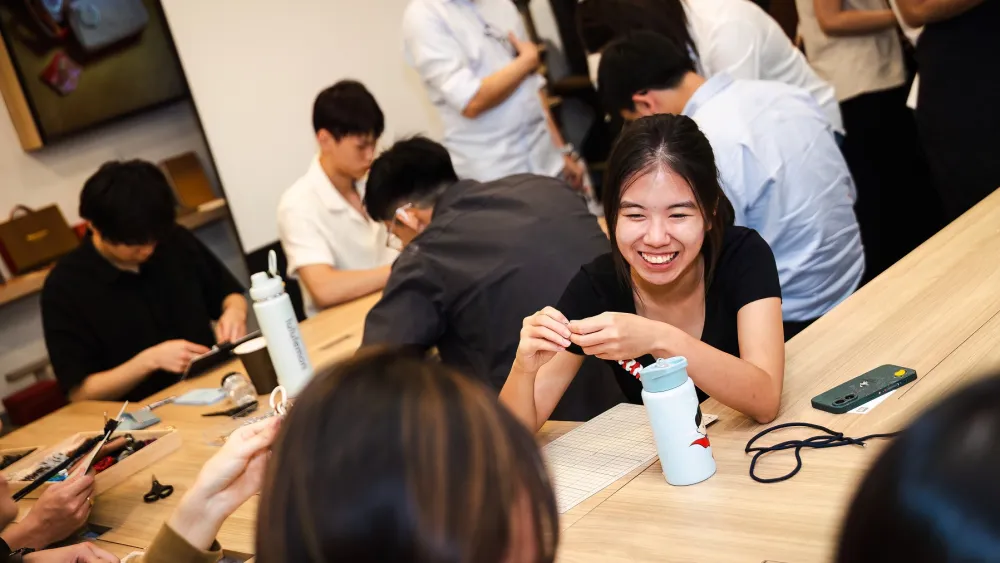
The focus on physical store “experiences” is catching on outside the food and drink sector as well. Healthcare and beauty chain Watsons revamped its Bugis Junction shop to feature an open plan layout, a hot pink runway, and retail staff wearing jeans and casual wear in an effort to cater to millennial shoppers, said Tricia Song, director and head of research at Colliers International.






















 Read Here
 Advertise
 Sign Up