NOL’s belt tightening results in lower fuel surcharge
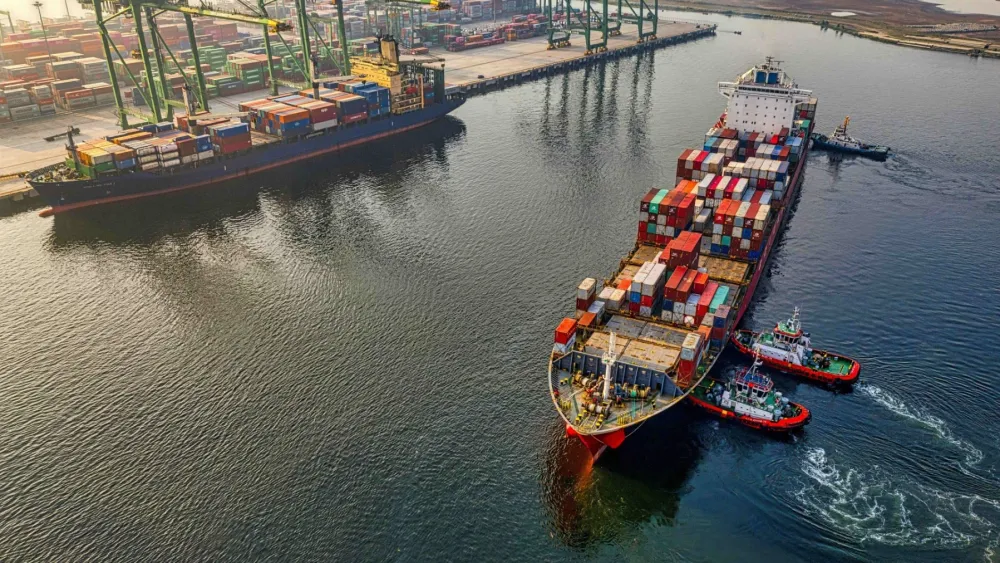
Its container shipping line APL is ‘slow-steaming’ or reducing vessel speed to cut fuel consumption and control costs.
The company said the new fuel surcharge formula in the Trans-Pacific Trade results in a somewhat lower bunker surcharge, effective July 1, 2011, than would have been assessed under the previous formula which was based on a guideline from the Transpacific Stabilization Agreement. For example:
• The surcharge for a standard 40-foot standard container shipped from Asia to the U.S. West Coast drops to $538 from $568.
• The surcharge for a standard 40-foot standard container shipped to the U.S. East Coast drops to $1,049 from $1,107.
APL said it has developed the new surcharge formula to reflect the cost savings as well as the added capital costs associated with slow-steaming. As ships reduce speed, additional vessels are said to be generally required to be added to each loop to maintain weekly arrival schedules.
Bob Sappio, Vice President of Pan-American Trades at APL, said not all of their services are slow-steaming but many are. He explained, "Considering the fuel consumption savings from slow-steaming, and the additional asset cost required, we have developed a more transparent approach, the result of which is some reduction in the cost but just as importantly, better visibility for our customers of the impact of slow-steaming."
According to APL, its surcharge will continue to rise and fall in line with fuel price fluctuations. But it's changing the formula used to adjust the surcharge.
For example, until now, every $20-per-ton movement in fuel price resulted in a $20 surcharge adjustment for West Coast cargo. With the new formula, APL said the adjustment will only be $14. For East Coast cargo, the sensitivity is reduced from a $38 surcharge adjustment for every $20 per ton movement in fuel price to a $30 adjustment.





















 Read Here
 Advertise
 Sign Up