Red Sea crisis delays 90% of container ships at Singapore Port
Vessels are diverted around the Cape of Good Hope, causing port congestion.
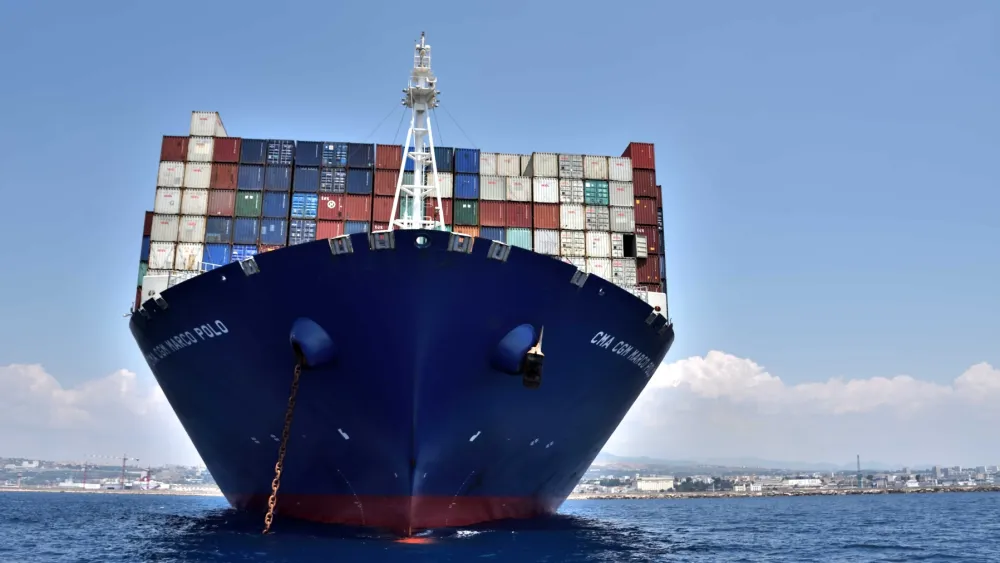
The Red Sea crisis has disrupted shipping schedules in the Singapore Port, with 90% of container vessels arriving off-schedule, compared to the average of 77% in 2023, Minister of Transport Chee Hong Tat said.
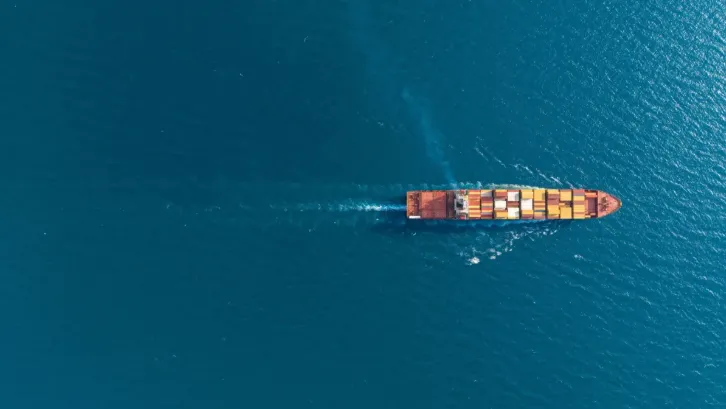
Vessels are being diverted to the longer route around the Cape of Good Hope for sailings between Europe and Asia, lengthening the stay of the container vessels in the port, which leads to congestion at the berths.
Meanwhile, many vessels arrive within a short window, causing a “vessel bunching” effect.
The Ministry of Transport (MOT), Maritime and Port Authority of Singapore (MPA), and PSA are working with partners to address the congestion and have reactivated some berths and yard space at Keppel and Tanjong Pagar Terminals.
On 1 July, Singapore opened a new berth in Tuas port, with two more set to follow in October and December to expand the country’s port capacity amidst increasing demand.
In addition, the MPA and PSA are also working with major container lines via MPA’s Just-In-Time system to optimise vessel arrival times and operations and improve vessel turnaround.
























 Read Here
 Advertise
 Sign Up