Nearly 7 in 10 firms' EPS declined in Q2: Credit Suisse
Consumer discretionary, telcos and industrials saw the most significant earnings cuts.
Almost 67% of Singapore companies or 23 of the 30 stocks in the STI revised their earnings per share (EPS) downwards post-results, according to Credit Suisse.
In total, results in the second quarter saw a further 1.3% cut in earnings as most companies' results declined following a slowing GDP growth. This followed a 4.4% cut during the first half of the year.
Consumer discretionary, telcos and industrials reportedly saw the most significant EPS cuts post results, with Dairy Farm and Singapore Press Holdings (SPH) having the largest cuts as earnings declined by 25% and 10% respectively, followed by Jardine Strategic Holdings (JS) and in-flight caterer SATS, with earnings both recording a 7% fall.
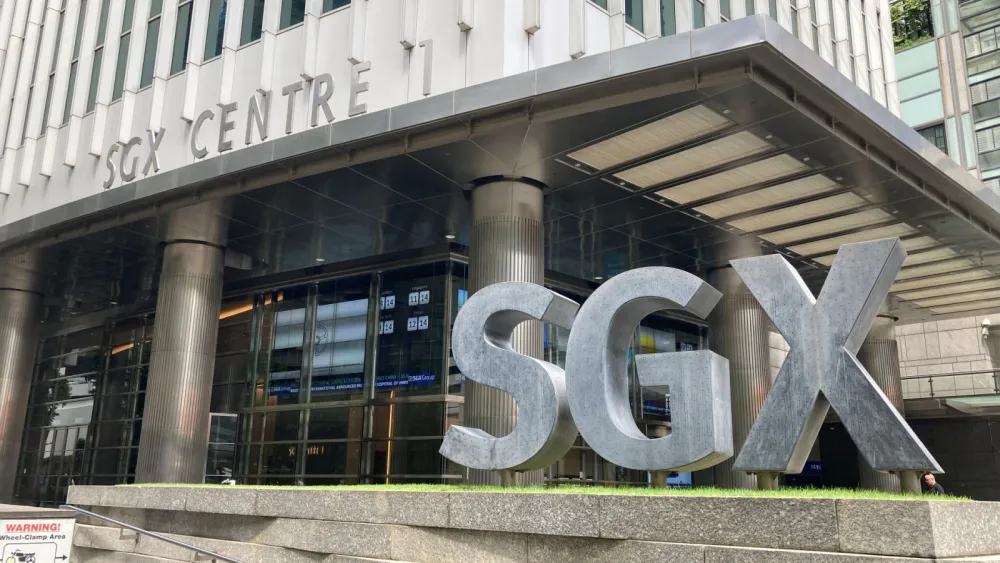
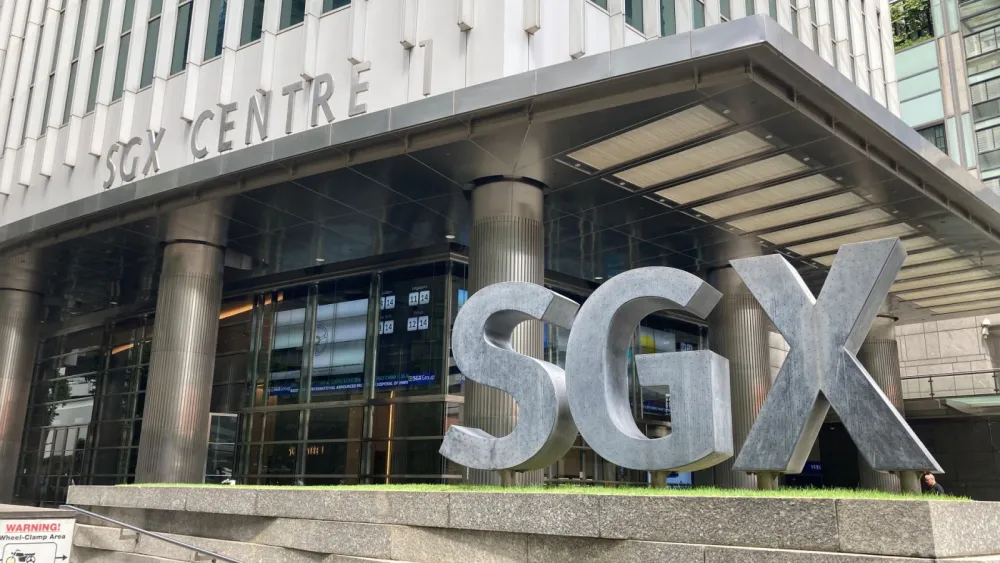
Only SGX and ThaiBev saw positive EPS revisions. SGX’s EPS was driven by stronger derivative volumes, whilst ThaiBev was due to rebounds in alcohol volumes as well as strong margins.
Meanwhile, three companies in the STI cut their interim dividends, including Wilmar, Keppel, and HPHT. Companies who raised their interim dividends include OCBC, UOB, JS, and CD.
Credit Suisse expects the dismal results to continue as, “the slowing economic growth will likely drive deeper earnings cuts, with potential downside risk to dividends as a result,” the report read.
The bank picked transport services company ComfortDelGro (CDG), agribusiness Wilmar International (WIL), and property company UOL Group (UOL) as top picks amongst stocks. On the other hand, their least preferred stocks were Venture, CapitaLand Commercial Trust (CCT) and SATS.


























 Read Here
 Advertise
 Sign Up