Transport ministry unveils strategy to boost national connectivity
Amongst the strategies is increasing Changi Airport’s capacity with the launch of Terminal 5.
The Ministry of Transport has unveiled its strategy to better connect Singapore by air, land, and sea.
According to acting Minister for Transport Jeffrey Siow, the government expects to operate Changi Terminal 5 by mid-2030s. This new facility will increase the airport’s annual passenger capacity by more than 50% to serve about 50 million more passengers, and grow city links from around 170 to over 200.
There is also the Changi East Industrial Zone and the improved Changi Airfreight Centre that will increase air cargo handling capacity by 80% to 5.4 million tonnes per annum.
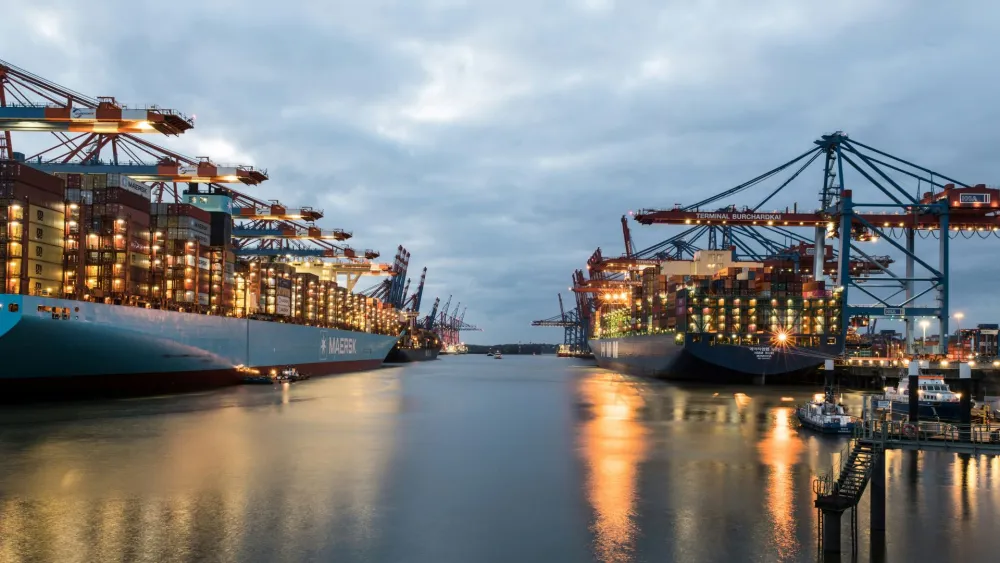
For the Tuas Port, its expansion to be completed in the 2040s will expand its handling capacity by 60% to 65 million twenty-foot equivalent units annually. The consolidation of port facilities at Tuas will free up land in the city centre for urban development and green spaces.
Meanwhile, the Johor Bahru-Singapore Rapid Transit System (RTS) Link will carry up to 10,000 passengers per hour, connecting Woodlands North to Bukit Chagar in five minutes. The line is expected to begin service by December 2026.
Under the Land Transport Master Plan, MOT plans to close the loop for the Circle Line, extend the Downtown Line and Thomson-East Coast Line, and progressively open the new Jurong Region Line. The Cross Island Line will link all existing lines when it is completed, providing an alternative route.
Bus connectivity will also be enhanced, with nearly $1b going into the Bus Connectivity Enhancement Programme to improve access and shorten public transport journey times for residents living in HDB estates further away from the city.





















 Read Here
 Advertise
 Sign Up