
Singapore grid strain lifts curtailment, raises reliability risk
Solar growth and import plans expose storage gaps and grid limits.
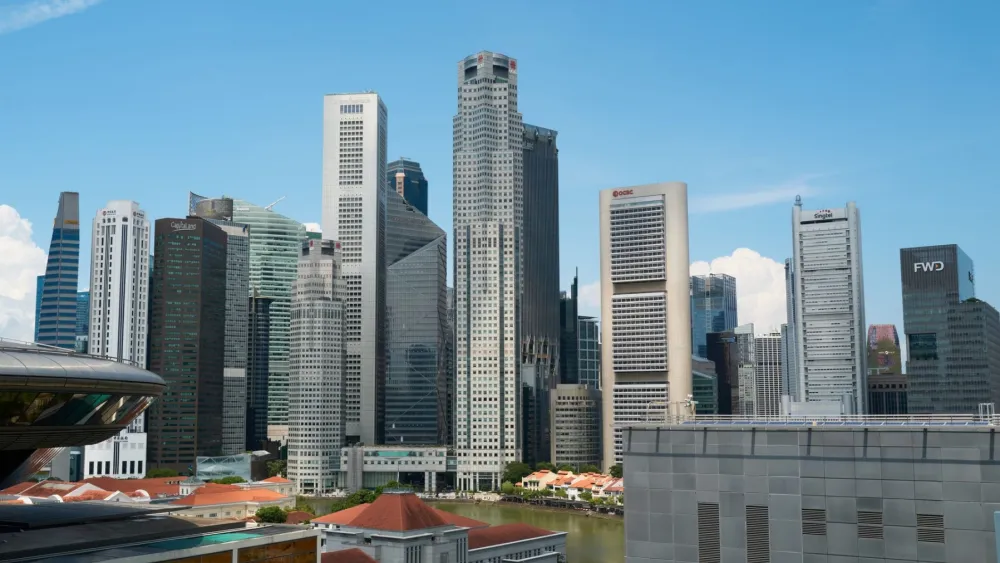
Singapore is facing rising solar curtailment as grid limitations collide with accelerating renewable deployment, raising concerns over system stability and future energy security.
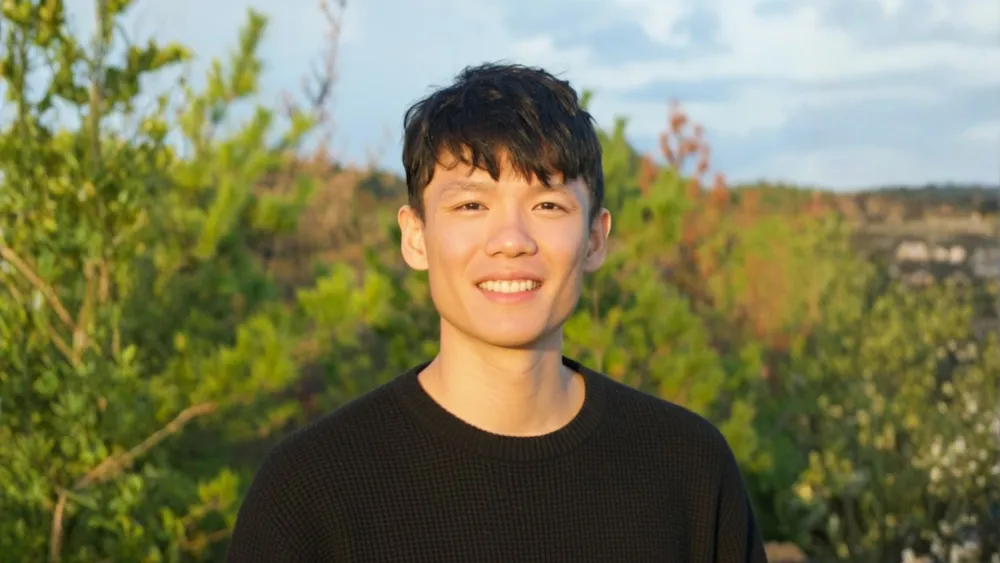
Experts say the issue stems from structural constraints in how power systems are designed. “Singapore's power grid, as with many other power grids in the world, is designed for dispatchable load,” said Victor Nian, Founding Co-Chairman of CSER, noting that traditional systems are built for stable thermal generation rather than variable renewable output.
As solar capacity expands, sudden spikes in production—particularly during midday—are putting pressure on the grid.
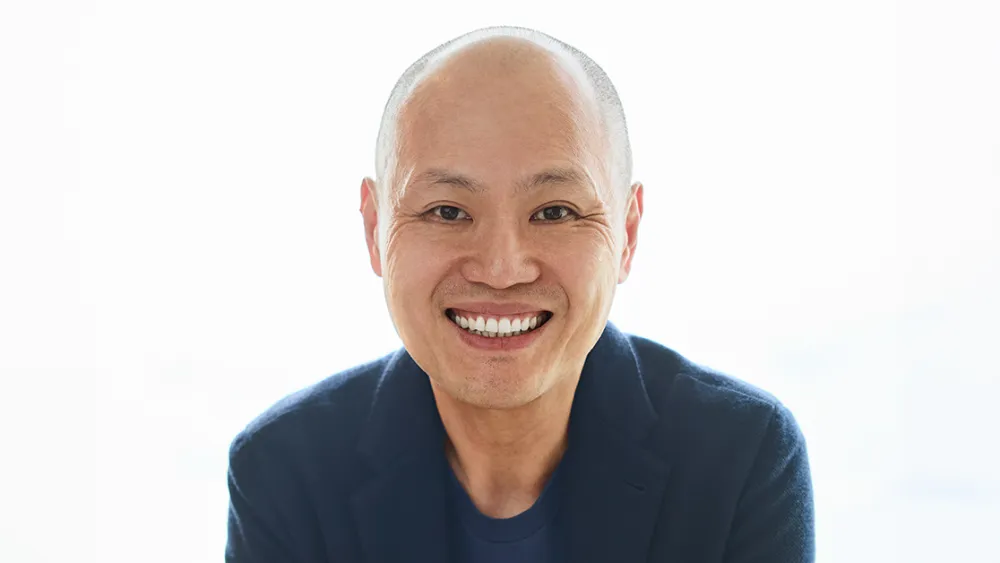
Curtailment, while necessary to maintain grid stability, signals inefficiencies in absorbing renewable energy. Associate Professor Sanjib Kumar Panda of the National University of Singapore said the issue arises when “the system is not able to take more solar energy because they cannot store it.”
The challenge is compounded by Singapore’s plan to import up to 6 GW of low-carbon electricity by 2035. While imports are intended to diversify energy sources, they introduce new risks. “If there is an outage from the supply side, the outage will instantaneously reflect it in Singapore,” Nian warned, highlighting the difficulty of managing sudden disruptions at scale.
Given that imports could account for more than half of peak demand, a major disruption could trigger widespread outages. “It will be very difficult for Singapore to react in a timely manner to avoid a blackout,” he said, adding that prolonged disruptions could impact industries such as manufacturing and data centres.
At the same time, renewable energy’s intermittent nature continues to complicate planning. Panda noted that “solar is there only for about 12 hours of the 24 hours,” underscoring the need for backup systems such as energy storage, which remain costly at scale.
To address these risks, experts point to better coordination of distributed energy resources. Nian highlighted the role of smart grids, batteries and electric vehicles, noting that “vehicle to grid technology not only allows the vehicle to charge from the grid, but also allows the vehicle to discharge to the grid.”
However, he stressed that technology alone is insufficient, with policy and regulatory alignment critical to ensuring stability during the transition.
As Singapore pushes towards its net-zero goals, balancing solar growth, import reliance and grid resilience will remain a central challenge for policymakers and industry.

















 Read Here
 Advertise
 Sign Up



Commentary
Where does value creation really happen?
Managing the cost of diverging standards: Why Singapore matters
Singapore’s AI ambition has an intelligence problem
Singapore is deploying AI at speed – and security risks are catching up
Precious metal boom is a stress test for Singapore’s gold ambitions
Singapore’s global dispute fault lines
‘Tokenmaxxing’ – The wrong AI race to run in Singapore
To outsmart modern fraud, we must first know the enemy