Commodity firms in for a nastier drought
Wilmar, Olam and Noble are all currently reeling from the Chinese demand slowdown but the worst is yet to come.
Economic data shows that the Chinese economy will further cut down on commodity purchases, notes Maybank Kim Eng in a report. And compared to the 2009 financial meltdown, firms will not be saved by the Chinese government stimulus that drove up sales despite plunging prices.
Here's more from Maybank Kim Eng:
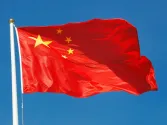
Chinese slowdown is a worry. Although profit was impacted by various different reasons, we believe much of the overall weakness can be traced to an alarming weakening of demand from China. It is unlikely to be coincidental that China’s 8.1% GDP growth in the first quarter of 2012 was at a 3-year low. Worryingly, latest data shows even more downward momentum. China is the incremental driver of commodity demand globally and we now see significant volume and price risk. What is the difference with 08/09 GFC? Back then, Chinese demand held up well despite commodity prices plunging, helped by the government’s massive stimulus. As a sector, debt ratios have actually increased, to fund massive fixed investments over the past few years. With a more asset-heavy model and higher overheads, we think these companies are now more susceptible to earnings risk should global demand slow down.
Risk factors increasing. Commodity prices are not immune to the unprecedented volatility that has hit other financial markets. In these circumstances, counterparty risk heightens, or if these companies choose to go into lower-risk mode, the ability to generate profit will likely be negatively impacted. Inventory value has remained similar despite lower commodity prices, implying lower stock movement. This represents a risk for unhedged inventory.


























 Read Here
 Advertise
 Sign Up