152 views
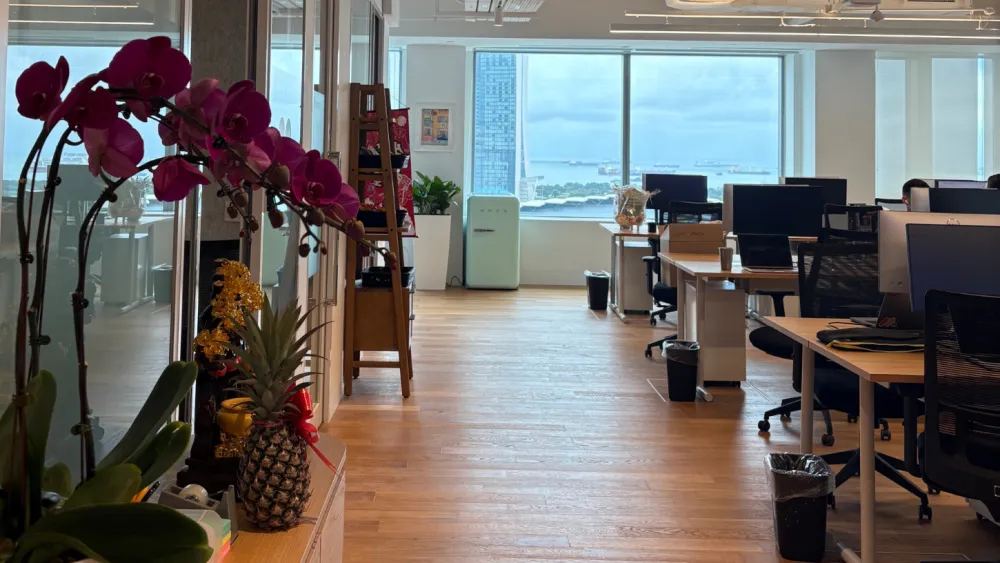
Photo from Capitaland Malaysia Trust

CapitaLand Malaysia Trust’s DPU grows 4.2% YoY in H1

Net property income also grew by 7.3% YoY.

CapitaLand Malaysia Trust's (CLMT) distribution per unit increased by 4.2% year on year during the first half of the year to $0.0075 (2.46 sen).

The company recorded an income of $20.7m (RM71.9m) for the period, 7.4% higher YoY.

Net property income (NPI) also grew by 7.3% YoY to $40m (RM138.8m), driven by higher revenue across most of its properties due to positive rental reversions.

Excluding a one-off compensation of $864,822 (RM3m) recorded in H1 2024 from the early termination of a lease contract, NPI for the period grew 9.8% YoY.

 

Join Singapore Business Review community
A NOTE FROM SINGAPORE BUSINESS REVIEW

The people you want to reach are already in this room.

Every quarter, SBR lands on the desks of the founders, CFOs, and directors running Asia's most consequential companies. Every day, they open our newsletter and read our website. It's a room that took twenty years to build — and it's the one most of our partners are trying to get into.

The good news is that the door is open. We work with companies on thought leadership articles, sponsored content, industry summits across Southeast Asia, regional awards programmes, podcasts, and media placements in print and digital. The shape of the right partnership depends on what you're trying to do, which is why we'd rather start with a conversation than send a rate card.


If you have something this room should know about, tell us. We'll tell you honestly whether we can help, and how.

No rate cards until we understand the brief. It's a better use of everyone's time.

Exclusives

Monday.com picks Singapore for Southeast Asia expansion
Its in-house designers created Singapore-inspired artwork in the company's colors.
Tsuklio targets dual-income families in Singapore expansion
The Japanese meal subscription platform logged 3,000 pre-registrations before launch.
Choosier Asia buyers steer auctions toward rare art
Collectors are bidding harder for works with clear ownership histories.