Facilitating cross-cultural understanding in a growing creative economy
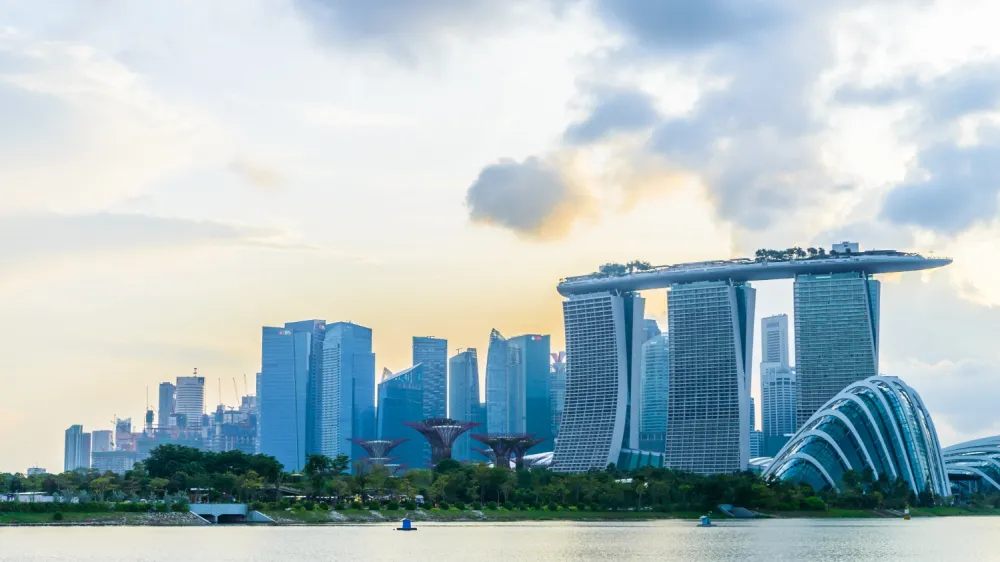
By Grace ClaphamSingapore’s creative economy is only starting to brew, creating many opportunities for businesses and individuals with a focus in the creative sector.
The growth of Singapore’s creative economy is welcomed with open arms as it creates more jobs, export earnings, cultural diversity and innovation – thereby advancing human development.
But there is still plenty to do within Singapore to further build the ecosystem for Singapore creative’s and help bring them to a level of global recognition.
In the updated 2010 Creative Economy report by the United Nations Committee on Trade, Aid and Development (UNCTAD), the creative sector was said to be one of the most dynamic emerging sectors in the world. So how do we here in Singapore create the necessary foundations to further build and nurture the creative’s and creative entrepreneurs within Singapore?
With the rise of globalization and technology, many of the younger generation are calling out for a more creative economy within Singapore. In addition, as more businesses open up within the creative sector in Singapore, it has become increasingly evident that we need to foster the talent we have locally in parallel with the efforts to import talent from overseas. Again the question is how?
New businesses coming into this part of the world need to understand the region and respective cultures while providing accessible avenues for Singaporeans to advance their skills and benefit from the transfer of knowledge. At the same time, they need to learn and adapt to cultural differences in their working environments.
Many businesses within the creative sector in the West set up in Singapore and expect that a cookie cutter business model imported from their respective countries will work. They assume Singapore is the same as other Western countries, because it is extremely developed, everyone is well educated, speaks English and because it has been a hub for many different sectors for decades.
However it is imperative to remember that despite these similarities, cultural upbringing and educational systems in Singapore differ significantly to those of the West.
Western ideas, innovations and best practices cannot simply be transplanted into Singapore or other Asian cities – they need to be applied in an Asian context. Creative businesses must consider the culture, mindset and upbringing of those within the country and find ways to enable Singaporeans to shine and build themselves to a better global standard in the creative sector whilst at the same time build creative thinking as a natural way of looking at things.
A cross-pollination of the East and West approaches within the creative sector in Singapore will create a new wave of cross-cultural understanding and breed innovation. As creativity becomes the only sustainable competitive advantage for businesses, it is necessary to build the skill-sets of Singaporeans coming into the creative sector.
Creative thinking or a creative mind-set is the most important resource a business can have and must be enhanced in order to thrive in this new economy. The cross-pollination of ideas and understanding will help individuals to become more innovative by adopting new perspectives and approaches to solutions that will benefit both sides, in the context of talent, business efficiency and economic growth within the Asian region.
Some ways to approach the idea of cross-pollination and create better cultural understanding are to foster talent within Singapore and learn from third culture insights or expertise.
1. Fostering the talent we have here - we need to leverage the amazing array of people in Singapore on a global and local level. We need to harness the abilities and capabilities of younger Singaporeans and those from the surrounding regions.
We must work in ways that will drive them and motivate them to pursue the creative way of living and thinking that works best for them. We need to come up with new ways to foster this creative community and the younger generation of Singaporeans without simply pushing Western ideas and ideals to the Singaporeans.
We must consistently ask ourselves how can we best learn and grow from each other across sectors?
2. Third Culture insights - businesses or individuals who have been in Singapore for a significant period of time or individuals who have had the opportunity to grow up within Singapore must work towards bridging the two sides (East and West) together, while maintaining the essence of their respective traditions and values as best as possible.
Why? Because such businesses or individuals can provide unique insights based on personal experiences that can improve cross-cultural engagement in order to build the skill set, talent and innovate in a manner that takes from both the East and the West.
Creativity is a way of life. In the words of Edward De Bono – “Creativity involves breaking out of established patterns in order to look at things in different ways” – we must move beyond our comfort zones. That’s what those of us in Singapore need to do to create the best possible eco-system -- break down the barriers to creative thinking in order to create new ways of working in a more synergetic and integrated manner.
We need to be open to change and growth that will bring the city and the region of creative’s and creative entrepreneurs to the global stage as a hybrid of both the East and the West.





















 Read Here
 Advertise
 Sign Up