Singapore GDP growth slows but expected liquidity measures may offer tailwinds
Economists expect MAS to ease monetary policy.
Singapore's economy is projected to slow in 2025, but analysts believe policy support and market liquidity measures may help cushion the impact.
According to CGS International, GDP growth is forecast to ease to 1.6% year-on-year (YoY) in 2025, down from 5% in 2024. The outlook aligns with the Ministry of Trade & Industry’s revised range of 0% to 2%.
The manufacturing sector, led by electronics, remains a key growth driver. However, economists expect momentum to moderate in the second half of the year as global uncertainties persist. Frontloading activities have contributed to strong export numbers early in the year, but this effect is likely to fade in the coming months.
Non-oil domestic exports (NODX) are still expected to grow 3.3% YoY in 2025, supported by robust electronics and temporary surges in non-electronics shipments, such as gold exports to Indonesia.
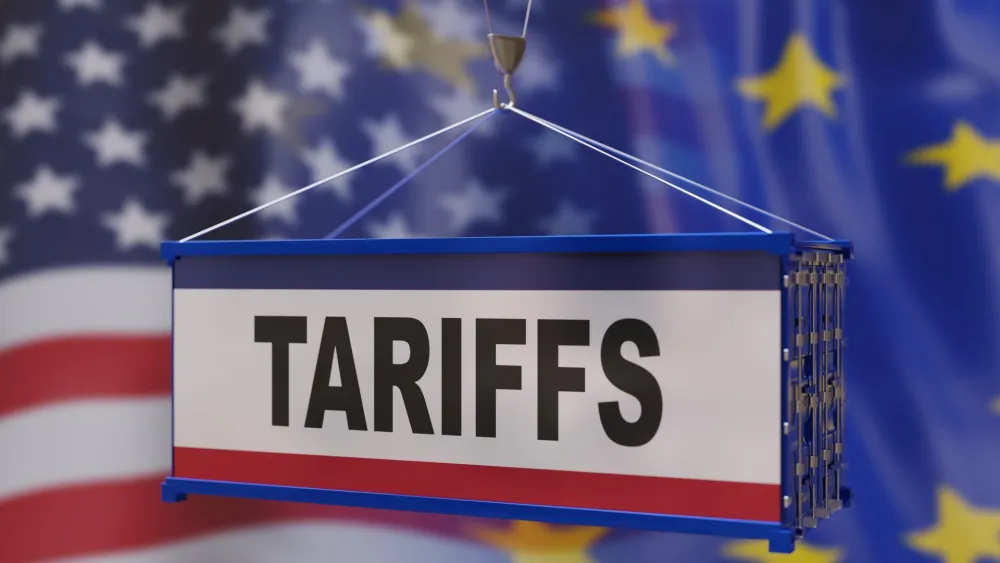
In April 2025, NODX rose sharply by 12.4% YoY. But ongoing US sector-specific tariffs on electronics and pharmaceuticals continue to pose downside risks, despite a temporary truce in US-China trade tensions.
Inflation is also forecast to cool further. Headline consumer price index (CPI) inflation is expected to ease to 1.5% in 2025, compared to 2.4% in 2024.
Slower global demand and softer oil prices are contributing to this moderation. However, elevated Certificate of Entitlement (COE) premiums could still exert some upward pressure on car ownership costs.
In response to these conditions, the Monetary Authority of Singapore (MAS) is anticipated to ease monetary policy further.
After adjusting the slope of the Singapore dollar nominal effective exchange rate (S$NEER) band in April 2025, MAS may flatten it again at its October 2025 meeting to prioritise growth amid fading external demand.
Whilst external headwinds remain, market participants are cautiously optimistic that liquidity support, particularly through the MAS's Equity Market Development Programme (EMDP), and steady earnings growth could help offset some of the broader global pressures as the year progresses.
























 Read Here
 Advertise
 Sign Up