Gulf tensions pressure power prices as 95% of electricity relies on gas
About 19% of global LNG trade passes through the Strait of Hormuz.
Singapore’s reliance on imported fuel leaves it exposed to rising global fuel prices as tensions in the Middle East threaten oil and gas shipments through the Strait of Hormuz.
“The Middle East is a major fuel-producing region that ships 25% of seaborne oil and 19% of global liquefied natural gas (LNG) trade through the Strait of Hormuz,” according to Minister-in-charge of Energy and Science and Technology Tan See Leng.
Singapore imports all the natural gas needed to fuel about 95% of its electricity generation, Tan said in a Facebook post.
A UOB Kay Hian report said rising LNG costs could pose risks to medium-term inflation. It added that LNG imports account for about 25% to 30% of the city-state’s energy needs.
Meanwhile, short-term energy supplies remain secure through pipeline gas imports from Indonesia, whose prices are linked to the Indonesian Crude Price with a time lag.
A separate Morgan Stanley report found that the country imports around 58% of its crude oil from the Middle East, whilst about 16% of LNG is sourced from the region.
Singapore also holds around 10 days of natural gas inventory, it added.
Tan said the government has several safeguards in place to maintain supply. About half of the country’s gas supply is delivered via pipelines from the region and would not be affected by disruptions to shipping routes.
“Our LNG importers have a global portfolio of sources, such as the US and Australia, which they can tap on to replace cargoes originally from the Middle East,” he said.
Efforts are also underway to secure replacement cargoes for the one LNG shipment from the Gulf.
In addition, the government has maintained a fuel stockpile comprising gas and diesel that electricity generators can draw on if there is a severe disruption to gas supplies.
The Energy Market Authority requires power plants to operate turbines capable of running on both fuels, Tan said.
However, he warned that electricity prices are still expected to increase in the coming months despite such measures.
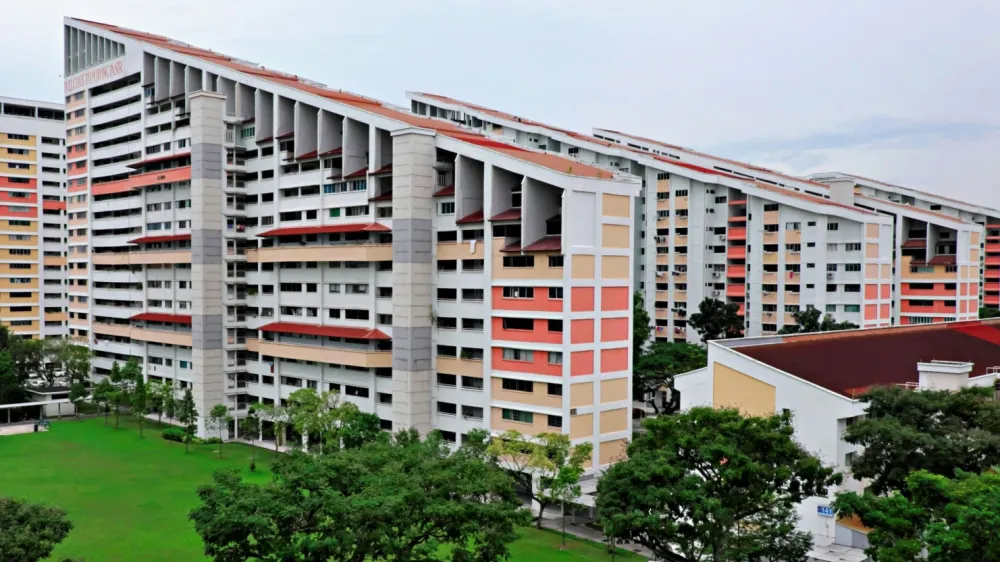
To cushion households from rising costs, the government will provide eligible HDB households with 1.5 times the regular U-Save rebates, or up to $570 for the financial year, as announced in Budget 2026.
“As the situation in the Middle East is evolving, we are watching closely, especially for secondary effects of disruption,” Tan said.





















 Read Here
 Advertise
 Sign Up