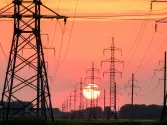
Crisis looms for the power sector in the next 10 years
The surge of construction for major projects will end this year, marking a slowdown in investments.
Singapore's stock of well-developed power infrastructure and slow demand growth will limit overall growth in the country's energy and utilities infrastructure sector over the next 10 years, BMI Research said.
According to a report, the surge of construction activity covering gas-fired power plants and island-wide transmission tunnels will end in 2018. This will leave a more robust grid, but also a significant slowdown in construction and investment activity.
Singapore's power infrastructure sector can only grow at an annual average of less than 1% between 2018 and 2027.
Based on BMI Research's forecasts, electricity consumption could grow 2.7% between 2018 to 2027, limiting growth for new large-scale projects.
"Most activity within the sector will instead stem from maintenance and incremental upgrades," the thinktank said.
Here's more from BMI Research:
The completion of several major power-sector projects in recent years has significantly improved the reliability and quality of Singapore's power network, but also means that investment and construction activity within the power sector will slow significantly over the upcoming years.
We currently forecast that Singapore's power infrastructure sector will grow at an annual average of less than 1.0% between 2018 and 2027. Between 2014 and 2017, Singapore added 1,700MW of power generating capacity from four new power plants - while only 680MW of capacity is in the pipeline as of January 2018.
The largest such project was the $1.2b 800MW Island Power Project, completed in 2014 and operated by Singapore-based PacificLight.
The gas-fired facility contributes about 6% of Singapore's total power generation capacity and cements natural gas' role as the predominant source of electric power in the country.
In the power transmission field, construction and investment activity was dominated by the $2b Transmission Cable Tunnel Project, which consists of 35km of underground high-voltage transmission lines. Construction began in 2012 and is expected to conclude in 2018.


























 Read Here
 Advertise
 Sign Up