
Exclusives
Meet the entrepreneur behind software innovation firm 2359 Media
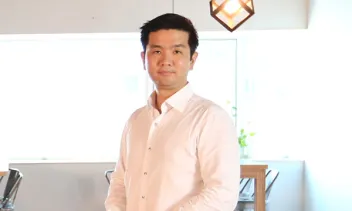
Meet the entrepreneur behind software innovation firm 2359 Media
Singapore Business Review Awards 2017 honours 22 outstanding firms
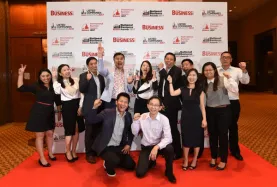
Freeboh offers a new approach to shift-based HR

Meet one of Singapore's hottest fashion retailers

This entrepreneur is the brains behind a stylish multi-concept lifestyle destination

Find out how this entrepreneur built an enterprise in cold chain logistics

Crouching Panda, hidden Roo: Who is getting the hop on Singapore's food delivery market?

Budget Direct Insurance goes grungy in new office design

Meet the guys behind education tech startup Cialfo
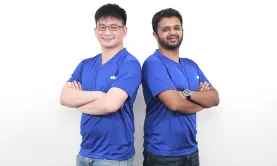
Trading platform The Fifth Collection reinjects luxury into preloved fashion

Heart Media CEO Olivier Burlot talks about Singapore being an Asian capital of culture

Fintech start-up 4xLabs gets additional US$1.5m in funding

This entrepreneur allows Singaporeans to sell their cars within 24 hours

Coworking space WOTSO to expand its 950-sq m hub

Henley & Partners' Dominic Volek talks about how Singapore scales up as a major player in wealth migration

Finty rewards customers for online financial purchases
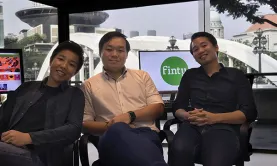
Amit Saberwal builds online network of budget accommodation in Southeast Asia










 Read Here
 Advertise
 Sign Up







Commentary
Why Singapore SMEs cannot wait for quantum cyber risk to arrive before securing data
Is Singapore's emphasis on long-term security and stability hindering purpose-driven employees?
When Singapore's agentic AI ‘chefs’ arrive, will the kitchen be ready for them?
What Singapore’s app store rules reveal about the future of online trust
Faster hiring alone will not fix construction’s productivity problem
Beyond policy: How Singapore's service sector can win at the frontline
Solving the production problem behind Singapore’s ‘pilot purgatory’
Transformation without disruption: Your Existing ERP is an accelerant to business innovation
From Singapore to Southeast Asia: Thriving in innovation by knowing when to pause
Section 13O, MAS, and the digital footprint of Singapore Family Offices