Daily Briefing: The hype around properties with en-bloc potential; Is ThaiBev a cheap stock now?
And here's where opportunities in the housing market lie.
From the PropertyGuru: Properties have life cycles, just like us. We know that property prices are largely driven by demand and supply. Today as we examine the correlation between the price and age of a property, we exclude external influences like demand, supply, inflation, immigration policies, infrastructure changes, etc. Let’s look at the profile of a typical 99-year leasehold or freehold condominium since it forms the majority of private residential properties in Singapore.
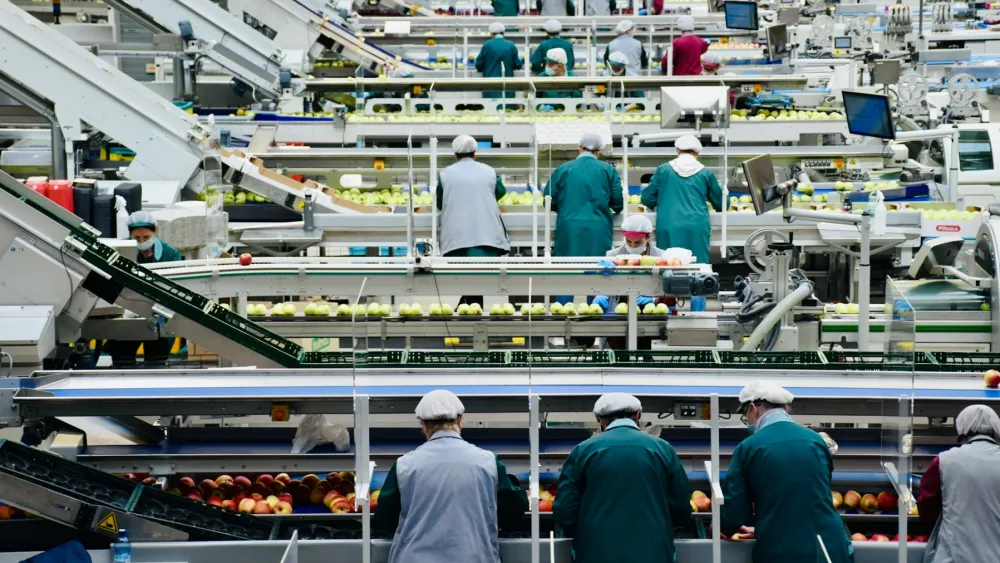
From The Motley Fool Singapore: Thai Beverage Public Company Limited (SGX: Y92) is a Thailand based-company that distills spirits and brews beer, and also produces a wide variety of non-alcoholic beverages. In addition, it runs restaurants and distributes food products (such as sandwiches and frozen foods). The alcohol-related businesses are by far the most important for Thai Beverage. They collectively make up 88.2% of the company’s total revenue for the six months ended 31 March 2017. Over the past five years, Thai Beverage has been a great performer in the stock market with its stock price up by 159%. The company’s strong return raises the question: Is Thai Beverage still a cheap stock?
From Zuu Online Singapore: We’ve heard it all before. When it comes to property, the only key item of actual consideration should be location, location, location. There were among the few of us who were lucky enough to purchase a property long before prices skyrocketed exorbitantly. This buying surge from 2009 through 2013 accounted for more than 60% that was further fuelled by low global interest rates and quantitative easing in developed economies after the global financial crisis. This period of economic growth gave rise to a healthy market but to prevent a plausible property bubble and punter speculation from occurring, Singapore’s government imposed safety clauses that included an Additional Buyer’s Stamp Duty. This exercise added as much as 15% to the purchase price for foreign buyers and Singaporeans alike who own more than one property deterring speculating consumers hoping to flip properties for a quick gain.






















 Read Here
 Advertise
 Sign Up