Nearly half of SG employees still 'uncomfortable' to admit AI use
Despite this, 88% feel an urgency to become an AI expert.
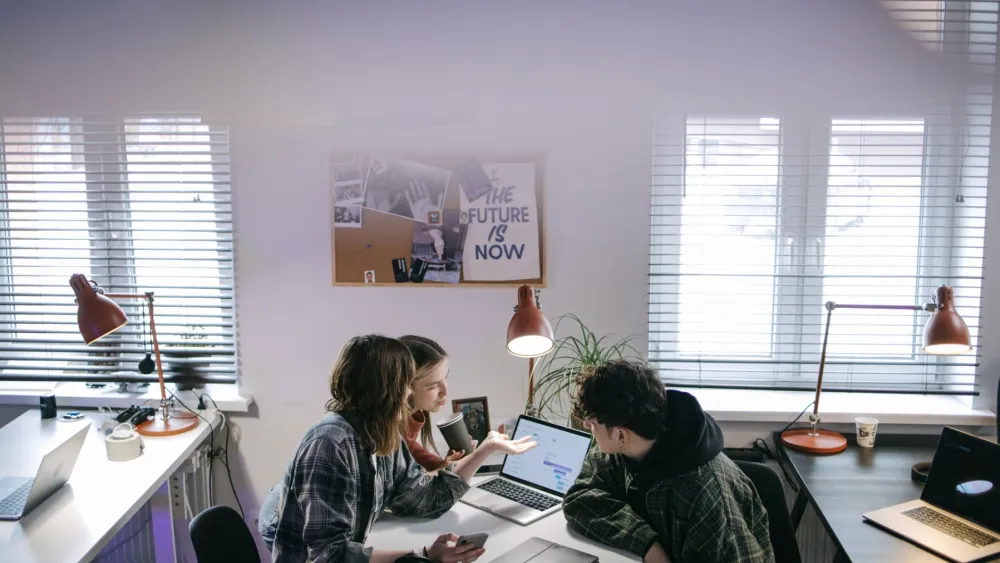
More than four in 10 (45%) Singaporean workers reported feeling uncomfortable admitting artificial intelligence (AI) use, fearing they might be seen as incompetent, lazy, or cheating, according to a Slack report.
Despite uncertainty around AI in their current workplace, 88% feel an urgency to become an AI expert. However, 63% of workers in Singapore have spent less than five hours total learning how to use AI.
Moreover, Singaporean employees expect AI to help them do more work on existing core projects, administrative tasks, and learning and skill-building.
Additionally, 87% say that a prospective employer’s ability to provide and enable workers with AI tools is a factor in their job search.
According to McKinsey, AI could increase corporate profits by $4.4t a year and Salesforce research finds that sales teams using AI are 1.3x more likely to see revenue increases than those who do not utilise it.
“It’s important that leaders not only train workers to use AI but encourage employees to talk about it and experiment with AI out in the open,” said Christina Janzer, SVP of Research and Analytics at Slack.














 Read Here
 Advertise
 Sign Up