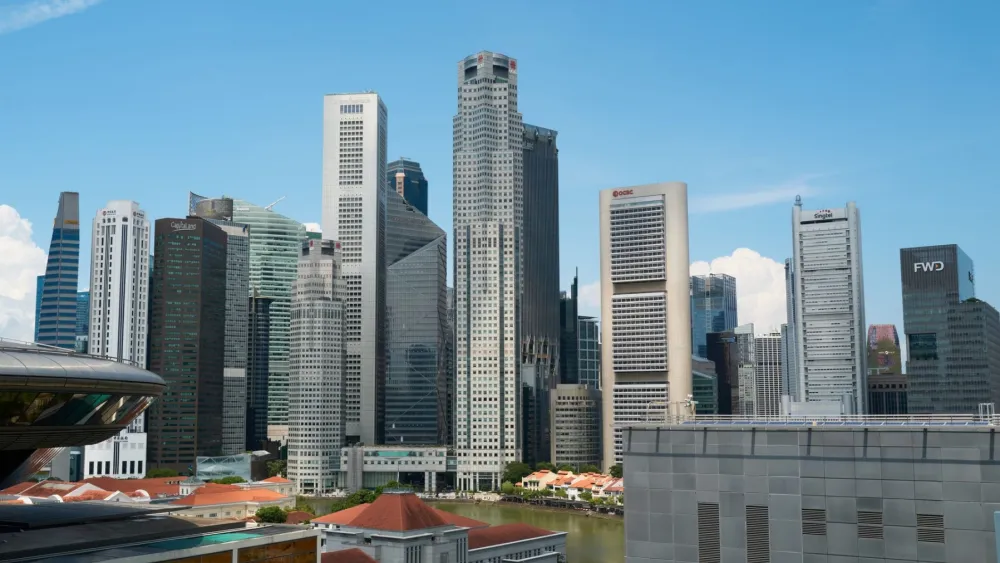
Seriously, Singapore is just 36th costliest city in the world for expats
Hong Kong is just 2 spots lower.
According to latest cost of living research by ECA International, within Asia, Japanese cities still dominate the top of the cost of living ranking - 4 of the region's top 5 most expensive locations are found there. Seoul joins them, having jumped from 7th to 3rd most expensive Asian location (and from 29th to 14th globally).
Not only have the prices of goods and services there increased at a faster rate than the previous year, but the Won has also strengthened against major currencies thereby pushing up costs there for many international assignees.
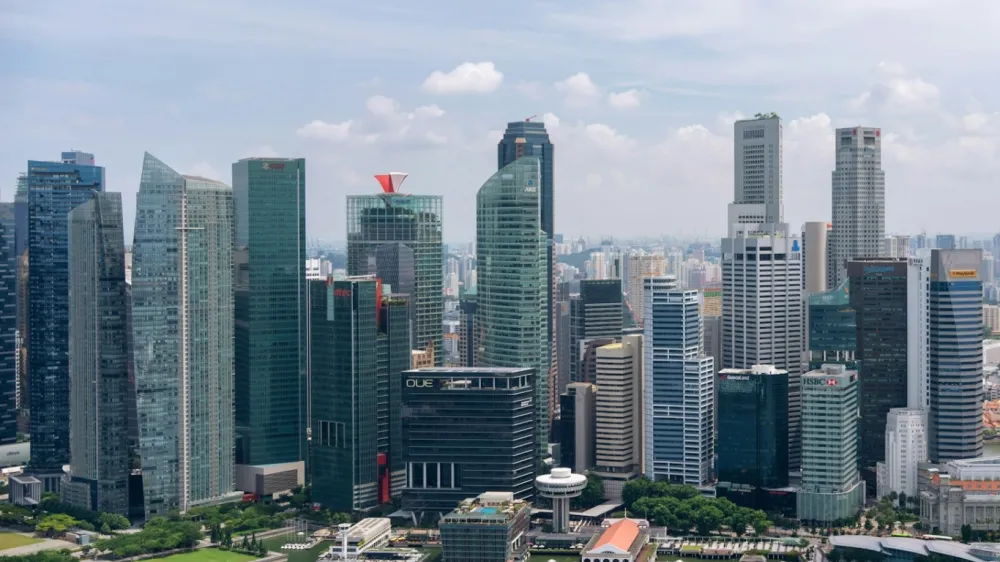
Beijing (24th globally), Shanghai (26th), Singapore (36th) and Hong Kong (38th) complete the list of the top 10 most expensive locations in Asia. On average, prices of items in ECA's cost of living basket for Chinese locations have increased little or even seen small decreases this year.
As a result, Chinese locations have fallen slightly down the ranking but the on-going strength of the Yuan against major currencies has prevented them from dropping too far.
Hong Kong, ranked 38th in the global list and 10th most expensive location in Asia has only seen a slight fall in cost of living. Prices of goods and services in ECA's cost of living basket have gone up approximately 4% over the year on average there.
This is a slightly slower rate of increase than the year before when prices rose 6% on average. With the Hong Kong dollar pegged to a stable US dollar, the cost of living for assignees in the SAR has remained steady.
Indian locations continue to be among the region's cheapest in terms of cost of living for international assignees. New Delhi, ranked in 200th position globally is followed by Mumbai (215th).
Karachi, ranked 256th globally, is the least expensive Asian location for expatriates.






















 Read Here
 Advertise
 Sign Up