SG must refresh, strengthen bonds with workers, DPM Wong says
Both government and the workers would work together to achieve their shared goals in a troubled global economy.
Singapore must refresh and strengthen its compact with the workers as it continues its economic progress whilst fighting the ills of inequality, Deputy Prime Minister and Finance Minister Lawrence Wong emphasised in his speech at the National Trades Union Congress (NTUC) May Day Parade last 1 May.
Addressing the union leaders, workers, and tripartite partners, Wong warned about the changing global trade and said that countries no longer discussed economic cooperation and focused more on becoming protectionists.
He also emphasised that geopolitics rechanneled their foreign direct investment by "putting their factories and critical supplies closer to them, or in friendly countries they trust," slowing down the global investment flow.
READ MORE: Singapore will protect workers, not jobs – DPM Wong
Finally, he said advanced economies rolled out massive tax incentives and subsidies to build up their domestic production, especially in strategic industries like semi-conductors and clean energy, despite several actions taken to stop the tax competition, including the Base Erosion Profit Shifting that required them to include a 15% global minimum corporate tax.
For Wong, these challenges, including multiple global storms Prime Minister Lee Hsien Loong recently described in Parliamentary, including the war in Europe and the growing US-China tensions, created tougher competition between Singapore and other countries that union leaders need to understand.
"We cannot afford to outbid the big boys just to get the multinational companies to invest here. We do not have enough money to match the competition. But, what we must have enough of are ingenuity, innovation, guts, and wit. That is the only way we prevail, even when the odds have stacked against us," Wong said.
To make Singapore more competitive, especially with the pandemic enhanced its reputation as a reliable and trusted hub, Wong said that aside from connectivity infrastructure and deepening its capabilities for innovation, it must invest more in its workers to help them take ownership of their careers, continuously reskill and upskill, and take up better jobs throughout their working lives.
Wong emphasised that the country, through its Forward Singapore and SkillsFuture programmes, must focus on vocational and technical workers, including ITE and polytechnic graduates, and integrate new technologies like AI into highly-trained workers.
Wong even said that the government would work closely with NTUC to reduce the costs and lower the barriers to training.
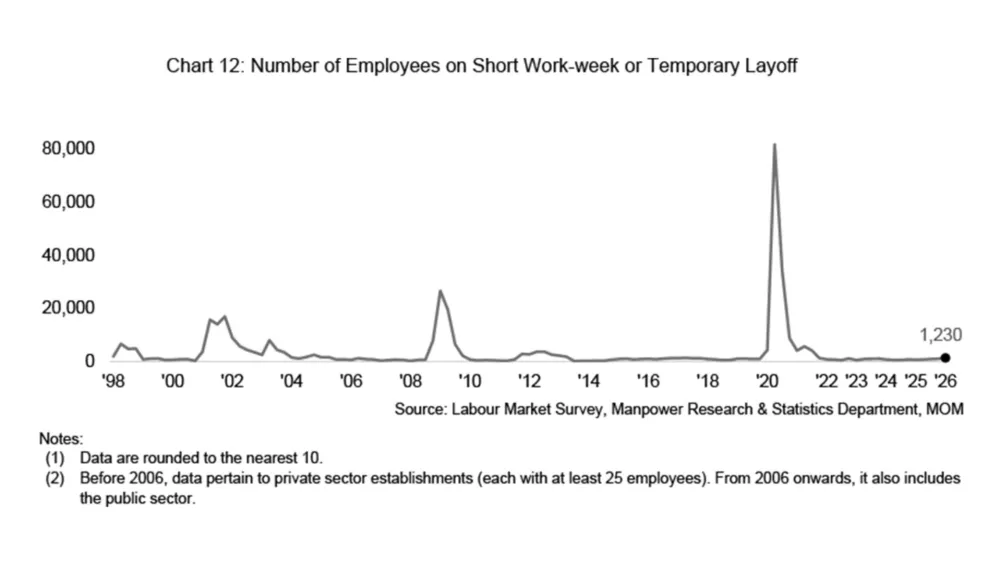
As for providing support for those who lost their jobs, Wong said that they are looking into several issues, such as reducing the strain on their finances, upskilling them to return to the workforce, and meeting their retirement needs, with the trade union centre and work on possible solutions to provide better assurance to them.
Wong said that through its partnership with the NTUC, Singapore would continue "to work together and keep faith with one another" to achieve their shared goals and ensure their best chance of overcoming challenges and seizing opportunities.
"The government will always strive for a fairer and more equal society and the well-being of every worker – that conviction is in our and NTUC's DNA," Wong added.



















 Read Here
 Advertise
 Sign Up