February manufacturing PMI rises to 50.6 but Gulf conflict risks loom
The SIPMM warns that US-Iran tensions are driving oil prices and disrupting supplies.
Singapore’s purchasing managers’ index (PMI) edged up 0.1 point month-on-month to 50.6 in February, according to the Singapore Institute of Purchasing and Materials Management (SIPMM).
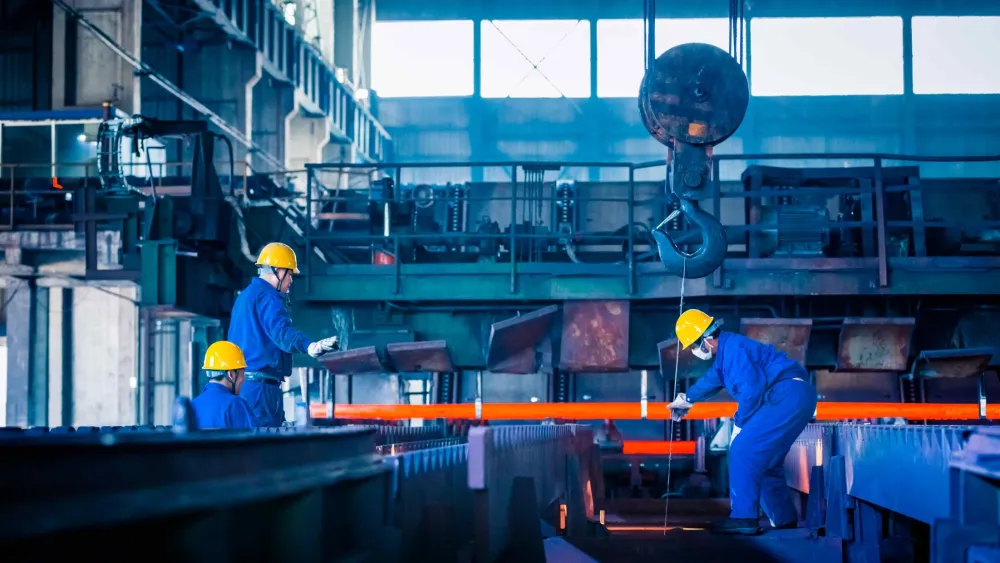
The increase was attributed to stronger expansions in new orders, new exports, and employment. However, factory output and input purchases grew at a slower pace.
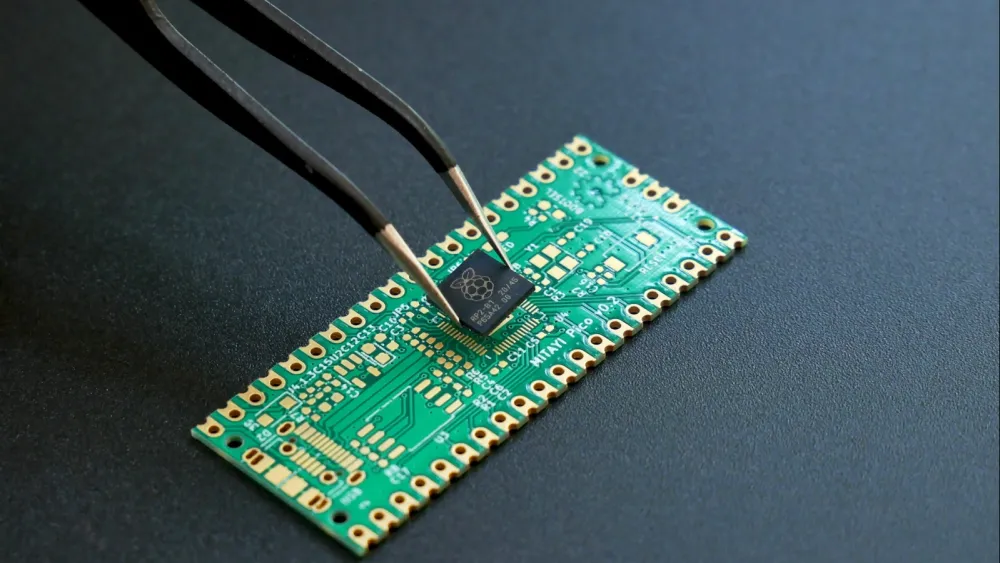
The latest PMI readings point to continued demand in the manufacturing sector, particularly from the electronics and semiconductor cluster, according to Stephen Poh, executive director of the SIPMM.
However, Poh noted that rising geopolitical risks could affect the outlook.
“Escalating military tensions between the US and Iran have heightened global geopolitical risks and driven oil prices higher, amidst concerns over potential supply disruptions,” he added.
The supplier deliveries index fell for the second consecutive month, following two months of moderation, suggesting longer delivery lead times.
Meanwhile, input prices, order backlog, and future business expanded at a faster pace, whilst the finished goods index returned to expansion.
























 Read Here
 Advertise
 Sign Up