
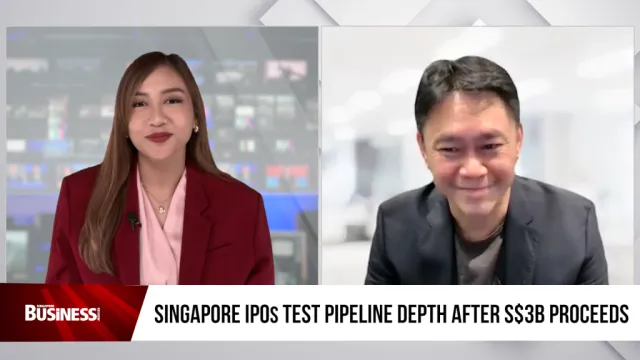
Singapore IPOs test pipeline depth after S$3b proceeds
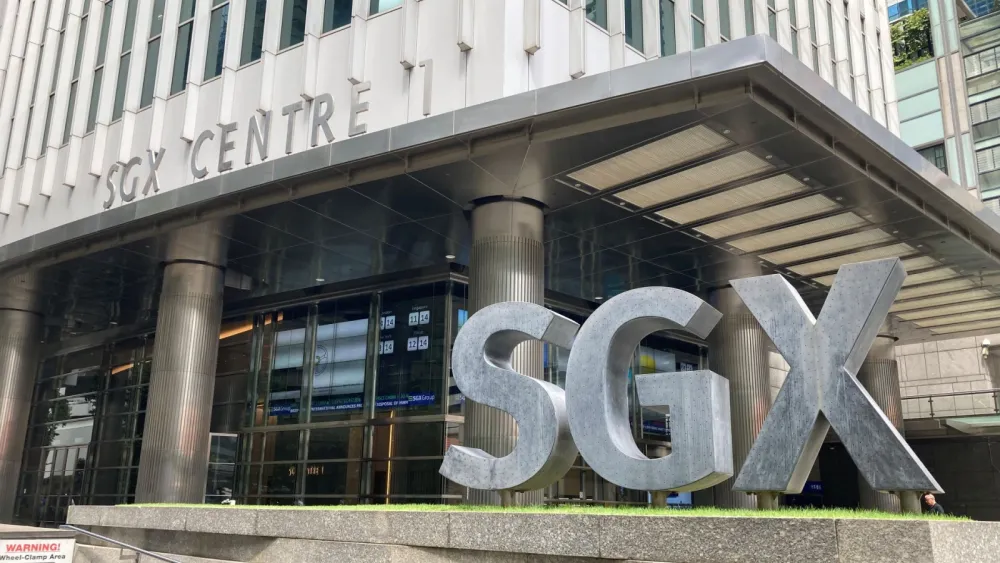
SGX nears 30 listings as issuers weigh broader sectors beyond trusts and data centres.
Singapore’s initial public offering market is drawing renewed issuer interest, but its next phase will depend on whether recent large deals can translate into a wider and more consistent listing pipeline.
Proceeds reached about S$3b over the past year as the Singapore Exchange moved closer to 30 listings.
Yew Kiang Chan, Asean and Singapore IPO Leader at EY, said companies continue to see public listings as a way to raise capital, build visibility and support expansion.
“IPO is a very attractive option for companies that are raising capital to fund their growth strategy,” Chan said.
He said listed status can strengthen a company’s brand, help attract talent and allow shares to be used for acquisitions. Singapore’s reputation for stability also supports its appeal to regional issuers and investors, although valuation and liquidity remain key considerations.
Chan said Singapore remains a market that regional companies should consider, even as larger exchanges in the United States, Hong Kong and Tokyo offer deeper capital pools.
Sustaining investor confidence will depend on how companies communicate after listing. Chan said listed firms need to disclose bad news in a timely manner and demonstrate that they can deliver value after entering the market.
Large real estate investment trust and data centre listings lifted recent proceeds, whilst Malaysia remained ahead in regional IPO volume. Chan said Singapore needs a broader listing base, with consumer, industrial and technology companies among the sectors that could support future activity.
Reforms have also made Singapore more flexible for regional issuers. Companies from Australia, Israel, Japan and Thailand have listed directly in Singapore without needing to use a Singapore or offshore holding vehicle.
Still, global conflicts and market uncertainty could delay fundraising plans. Overly optimistic valuations may also hurt post-listing performance and weaken confidence in later deals.
For Singapore, the test is whether stronger issuer interest can deepen the market beyond a few large transactions.





















 Read Here
 Advertise
 Sign Up








Commentary
‘Tokenmaxxing’ – The wrong AI race to run in Singapore
To outsmart modern fraud, we must first know the enemy
Why Singapore SMEs cannot wait for quantum cyber risk to arrive before securing data
Is Singapore's emphasis on long-term security and stability hindering purpose-driven employees?
When Singapore's agentic AI ‘chefs’ arrive, will the kitchen be ready for them?
What Singapore’s app store rules reveal about the future of online trust
Faster hiring alone will not fix construction’s productivity problem
Beyond policy: How Singapore's service sector can win at the frontline
Solving the production problem behind Singapore’s ‘pilot purgatory’
Transformation without disruption: Your Existing ERP is an accelerant to business innovation