
MAS targets more IPOs via Global Listing Board
A clearer pathway for dual listings could boost the city-state’s appeal.
Singapore is betting that cutting red tape — not cutting taxes — will draw billion-dollar companies back to its stock market.
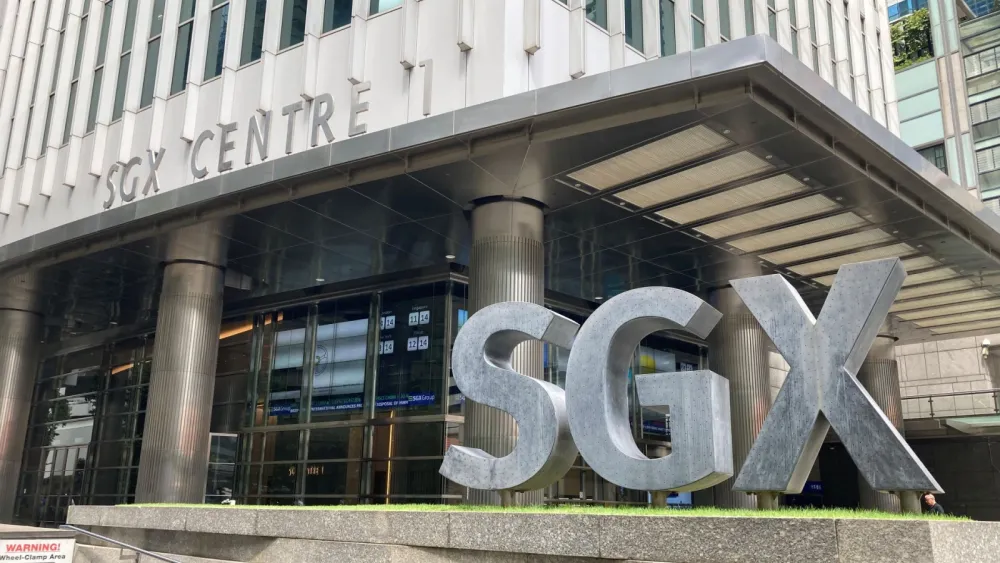
A proposal by the Monetary Authority of Singapore (MAS) to simplify dual listings with the US would let eligible firms use a single prospectus and align offering timelines for simultaneous listings on Singapore Exchange Ltd. (SGX) and Nasdaq.
Gary Wan, co-head for capital markets at law firm Drew & Napier LLC, said reducing duplication could broaden issuers’ investor reach and funding flexibility. “Increased issuer diversity may also enhance market dynamism and improve the attractiveness of Singapore as a listing destination,” he told Singapore Business Review in an emailed reply to questions.
The changes, slated to take effect with the launch of the Global Listing Board around mid-year, target companies with a market capitalisation of at least $2b.
If it works, the framework could reposition Singapore as a viable co-listing venue for large, growth-stage companies that might otherwise bypass the city in favour of a sole US listing.
At present, issuers must comply separately with Singaporean and US security rules. That typically requires reconciling two disclosure standards and navigating two regulatory review processes—an exercise lawyers describe as costly and time-consuming.
Singapore’s central bank also seeks to align initial public offering (IPO) timetables across both markets and permit certain offering practices consistent with US norms.
Gail Ong, head of equity capital markets at WongPartnership LLP, said aligning regulatory reviews is crucial. Without it, companies would still have to deal with two regulators at the same time.
“It would not be advisable to have two very different prospectuses—one for the US and one for Singapore—as investors would not have access to the same level of information,” she said in an emailed reply to questions.
Divergent disclosures could undermine investor confidence and deter issuers from pursuing concurrent listings, she added.
For Singapore, the move addresses a broader challenge: a thinning IPO pipeline and intensifying competition from other financial hubs.
Singapore hosted 13 IPOs in 2025 from only four a year earlier, raising over $2.5b (US$2b), according to Deloitte & Touche LLP.
By offering a clearer pathway for dual listings, policymakers are seeking to strengthen the city-state’s appeal as a secondary capital-raising venue rather than compete head-to-head with New York.
MAS has also proposed reforms beyond the Global Listing Board, including earlier engagement with retail investors in IPOs and shifting prospectus registration responsibility for sponsored depositary receipts to issuers. Wan said the measures could help set fairer prices and boost accountability, raising disclosure standards.
Similar mutual-recognition or streamlined disclosure regimes exist elsewhere, including between the US and Canada, within the European Union, and across Australia and New Zealand.
Studies of the trans-Tasman framework have pointed to lower compliance costs and faster approvals, though comprehensive data on long-term market impact remains limited.
One key distinction: Global Listing Board issuers will fall primarily under the oversight of the US Securities and Exchange Commission and Nasdaq, rather than Singapore regulators. Ong said investors should understand that governance and enforcement standards would largely follow US rules.
“Once that fundamental premise is well understood, the tangible advantages for a company and the overall market would be a more streamlined and efficient process and therefore more interest in pursuing a Singapore listing via the Global Listing Board,” Ong said.

























 Read Here
 Advertise
 Sign Up