Morgan Stanley projects RoE to rise to 14% for Singapore by 2030
The investment bank has reaffirmed its overweight rating on Singapore, citing these improving fundamentals as key to its bullish outlook.
Singapore’s stock market could see a major re-rating over the next five years, with return on equity (RoE) projected to rise from 12% to 14% by 2030 and price-to-book (P/B) multiples climbing from 1.7x to 2.3x, according to Morgan Stanley.
The investment bank has reaffirmed its overweight rating on Singapore, citing these improving fundamentals as key to its bullish outlook.
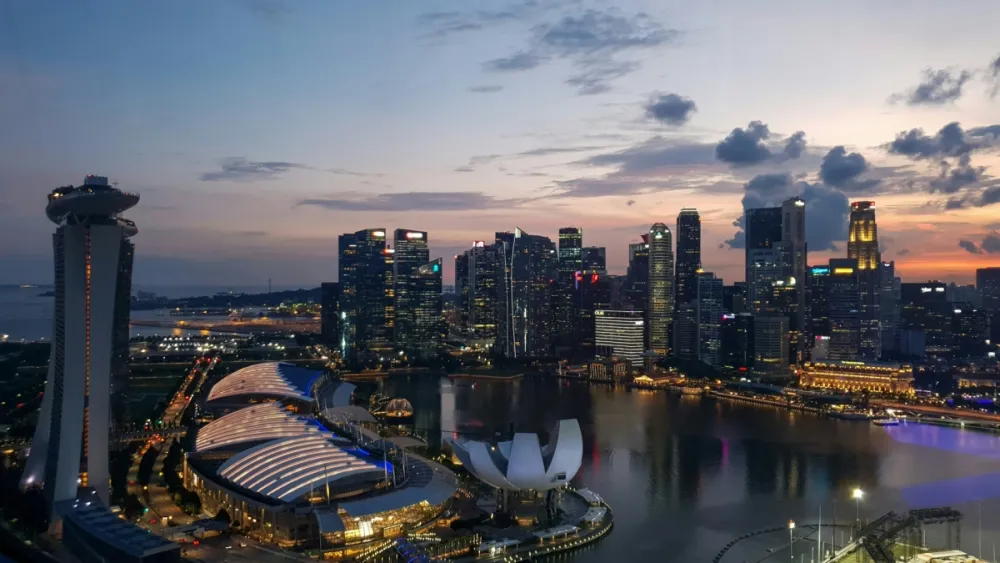
The firm points to three core pillars supporting Singapore’s investment case: its role as a “hub of hubs” in global finance, trade, and energy; the rapid adoption of new technologies; and a series of reforms intended to modernize its equity market.
According to the report, Singapore’s corporate sector is pivoting to higher-return business models, with banks growing their wealth management arms and conglomerates shifting toward asset-light operations.
Singapore’s macro stability, strong governance, and high dividend yields—estimated at 5–6% for most stocks—make it a standout in the Asia-Pacific region.
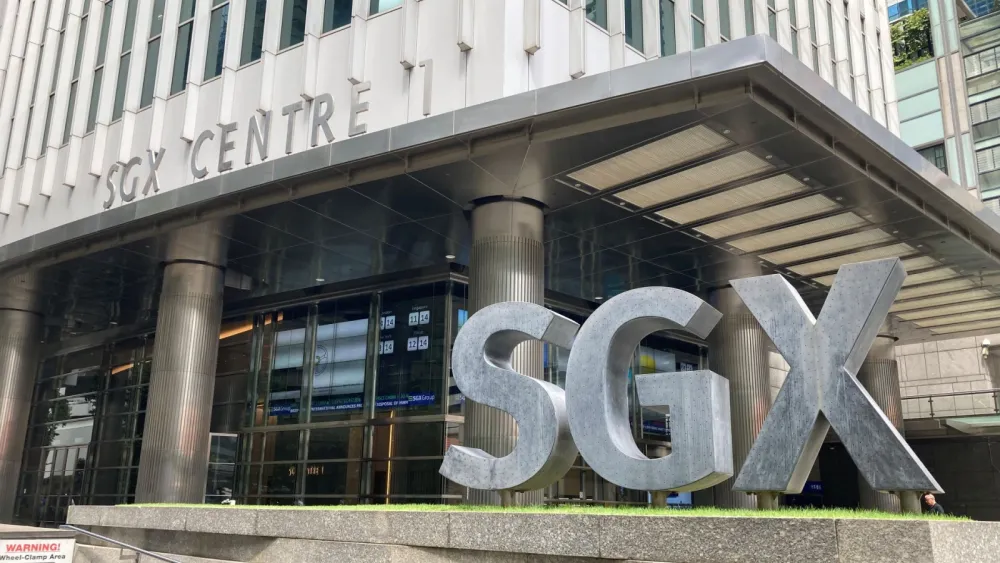
The MSCI Singapore index has already outperformed the broader Asia-Pacific benchmark over the last 18 months. Large-cap stocks like DBS, SGX, CapitaLand Investment, and Keppel are expected to benefit most from initial inflows driven by regulatory changes.
The Monetary Authority of Singapore (MAS) introduced the first phase of reforms in February 2025, including tax incentives for listed firms and fund managers, policies to direct family office assets under management into local equities, and a $5b liquidity boost.
A second set of measures is expected later this year, which analysts believe could further strengthen institutional participation.
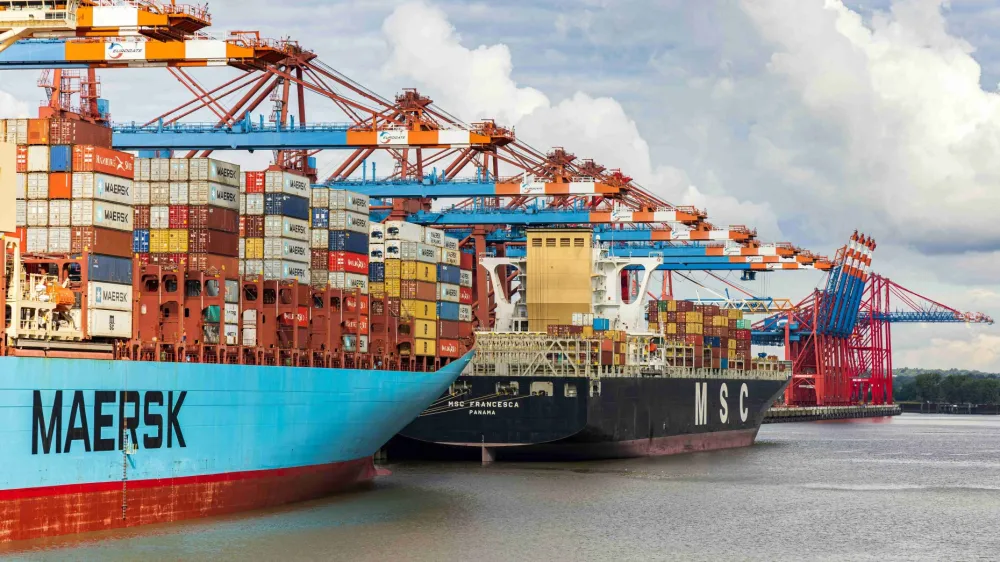
Despite the optimism, Morgan Stanley highlights several risks. These include a potential slowdown in global trade—especially relevant for Singapore’s export-driven economy—alongside heightened geopolitical tensions between the U.S. and China.
Delays in implementing reforms or increased competition from other regional hubs could also act as headwinds.
Even so, Singapore ranks second in Morgan Stanley’s regional market allocation scorecard, just behind India. The firm considers the city-state one of its top investment destinations globally, alongside Japan and Brazil.
According to the report, Singapore’s equity market capitalization could double by 2030 if reforms stay on track and productivity gains continue.

























 Read Here
 Advertise
 Sign Up