Singapore’s HDB flats ranked as Asia’s most attainable homes
In a region grappling with soaring housing costs, Singapore’s public housing model continues to stand out.
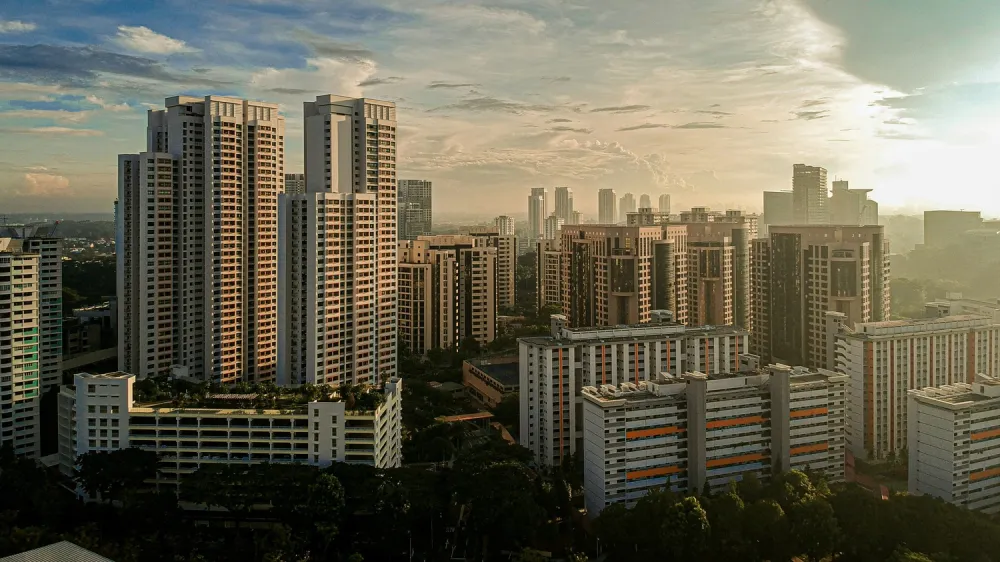
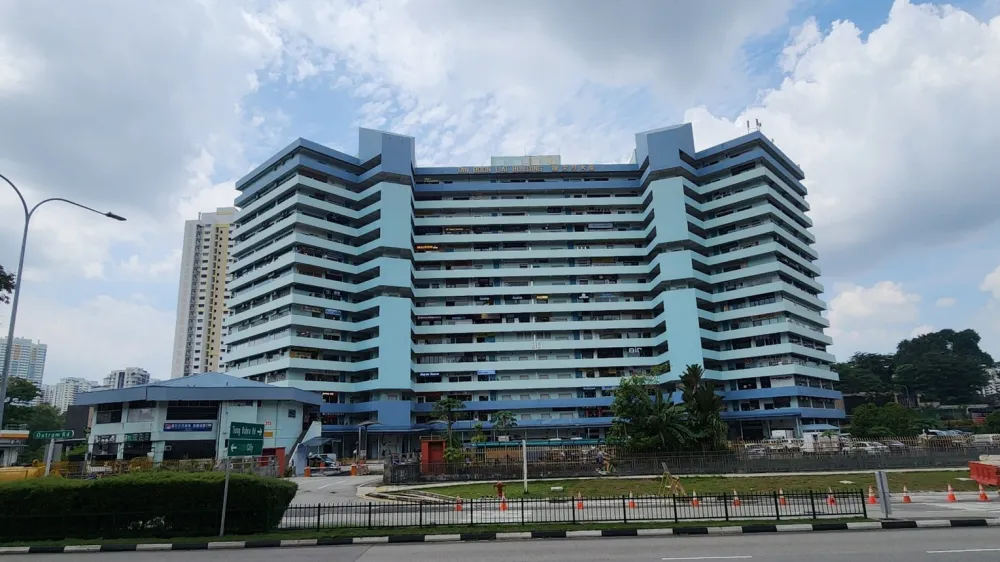
The city-state’s Housing & Development Board (HDB) flats are the only housing segment in any Asia Pacific capital city considered attainable for purchase, according to the 2025 ULI Asia Pacific Home Attainability Index, released by the Urban Land Institute (ULI) Asia Pacific.
The report defines “attainable” housing as homes priced at no more than five times the median annual household income—a threshold that HDB flats consistently meet.
Despite rising urban costs across the region, HDB resale prices remain within reach for median-income households, a feat unmatched in cities like Hong Kong, Tokyo, or Sydney.
HDB’s impact is not just statistical. The flats house 80% of Singapore’s population, making the scheme one of the world’s most extensive and enduring examples of public homeownership.
“Across all years of the Home Attainability Index, HDB apartments have been the most attainable route to home ownership in a major Asian city,” the report noted, highlighting their affordability and prevalence.
The index surveyed 51 urban markets and found that only seven market segments offered attainable home ownership, with Singapore's HDB system being the only one in a national capital.
Whilst cities across the Asia Pacific wrestle with rising home prices, limited land, and speculative demand, Singapore’s centrally planned and heavily subsidized public housing continues to provide a buffer, albeit one increasingly out of reach to non-citizens.
Foreign buyers face a 60% Additional Buyer’s Stamp Duty, one of the region’s steepest, a move intended to shield domestic affordability.
As other governments look for scalable solutions, many are eyeing Singapore’s playbook. Malaysia’s Residenci Wilayah and Thailand’s “Homes for Thais” are among the initiatives inspired by the HDB model, although ULI cautioned that replicating Singapore’s success depends on strong state control over land and a sustained political mandate.
“Operating a similar scheme is more difficult in countries where the government has less control of freehold land,” ULI noted. “The most significant objection is the risk that they might reduce the value of existing stock.”























 Read Here
 Advertise
 Sign Up