Asia’s rising middle class to reach an amazing 1.7b in 2020
And you’ll never guess what you can find in their shopping bags.
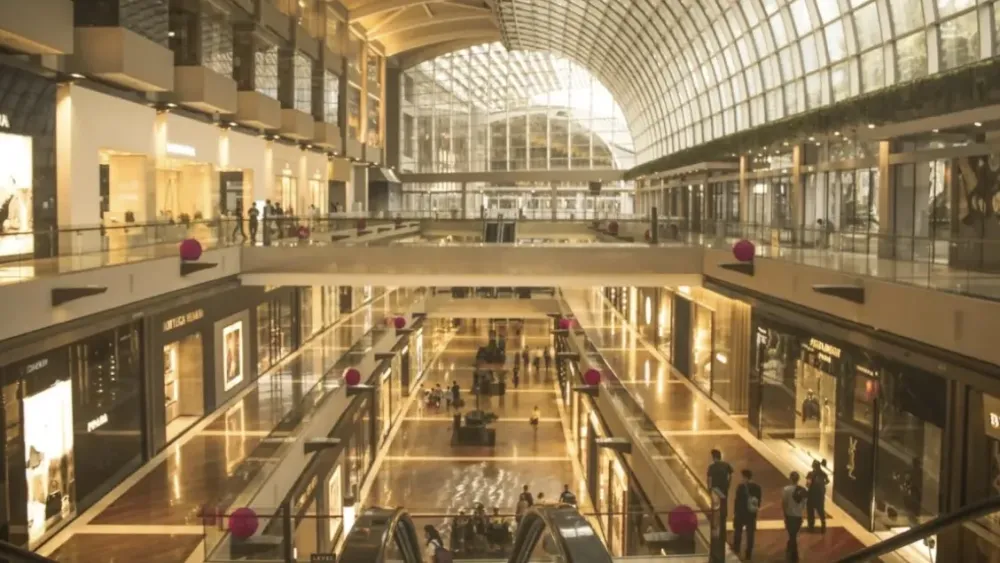
As incomes rise and tastes mature, Asia's consumers are increasingly drawn to luxury brands, and aspirations are a powerful catalyst for luxury retail spending.
According to a release, Pacific Star Group expects Asia's rising middle class to increasingly support the growth of the luxury retail market. By 2020, the size of Asia's middle class population could reach 1.7 billion, or more than half of the global middle class population, according to OECD projections.
The uptrend in luxury retail, coupled with rising tourism flows, could accelerate the evolution of retail formats towards modern retailing. Whilst China is expected by McKinsey to be the world's largest luxury market by 2015, international retailers will also look beyond the key retail gateway cities. New target markets in Southeast Asia with large and young populations will pose attractive opportunities. Strong interest in prime retail space is expected to help negate the significant supply pipeline in some of these emerging markets.
Improved domestic fundamentals support retail spending
Tightening employment conditions that have accompanied the economic recovery in many Asian markets have helped drive buoyant retail spending. In addition, rising tourism flows in Asia are an increasingly important source of revenues for some Asian cities. In general, consumer confidence has been on the rise although temporarily affected by the Japanese earthquake. Asian consumers remain highly optimistic – the Nielsen Asia Pacific Consumer Confidence Index rose to a record high in 1Q11. Seven out of the top ten optimistic countries hail from Asia Pacific.
Asia Pacific region a top tourist magnet
Besides buoyant domestic spending, retail spending in the Asia has also been boosted by the strong visitor arrivals. In 2010 alone, visitor arrivals to the region have reached a record of 204 million or a 13% y-o-y growth. This has cemented Asia’s position as a top tourist magnet, according to the United Nations World Tourism Organisation (UNWTO).





















 Read Here
 Advertise
 Sign Up