PST buys 2 ships for US$123.2mln
The shipping company acquires two new DWT Capesize Bulk Carriers saying it is now shifting to the non-container sector.
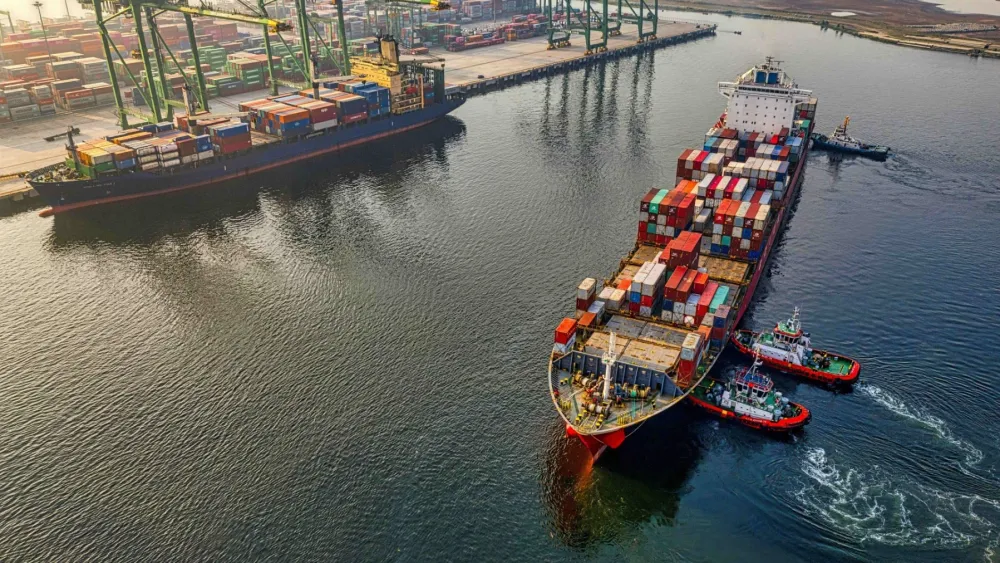
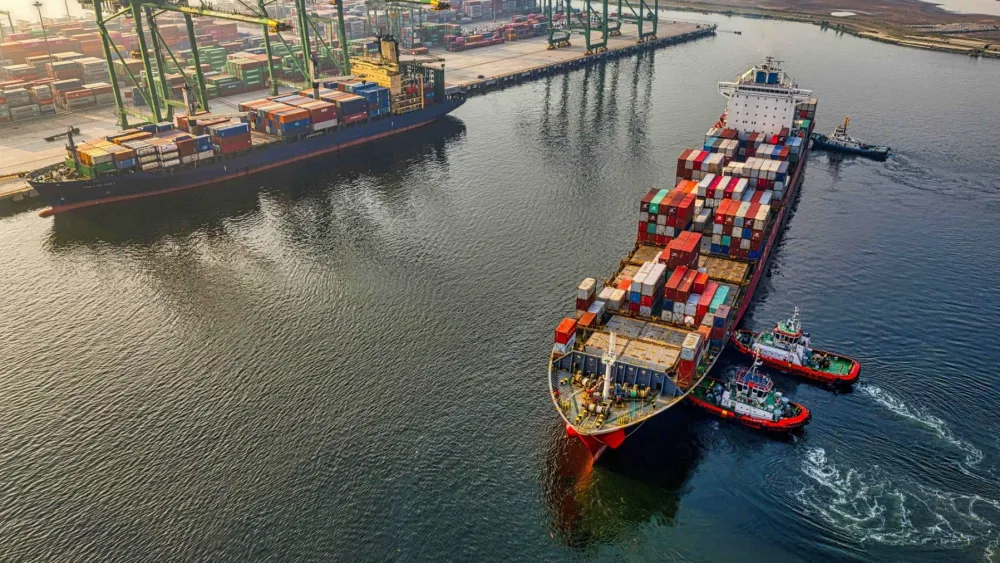
PST Management Pte. Ltd. (PSTM), trustee-manager of Pacific Shipping Trust (PST), announced that it is acquiring two new 180,000 DWT Capesize Bulk Carriers (Hulls No. 2408) and 2409 from Mitsubishi Corporation, Japan (Mitsubishi), for a total consideration of US$123.2 million.
This is PST’s first non-container vessel acquisition. The new vessels are to be built in Hyundai Heavy Industries Co., Ltd., Korea (“HHI”) and are expected to be delivered in September 2011.
At the same time, it has entered into two time charter agreements for the 10 year time charter of each of the new vessels to Jiangsu Shagang Group Co. Ltd., China (Shagang), or its nominee, at US$27,000 per day for each vessel.
“This marks a major milestone for the Trust with the diversification into the non-container segment, a new asset class for PST and the enlargement of our charterer base. Shagang Group is an esteemed counterparty with whom we look forward to building a long-lasting and meaningful relationship,” Mr Teo Choo Wee, Acting CEO of PSTM said in a statement released Monday.
Mr Teo added that it is the perfect right time to enter into a dry bulk acquisition after PST has acquired the vessels at an attractive price that is substantially lower than the prices contracted in 2007 and 2008 for comparable ships.
The new vessels are expected to be accretive to PST’s distributable cashflow.























 Read Here
 Advertise
 Sign Up