
What it means for Singapore now that the Electric Vehicle Charging Bill has been passed in Parliament?
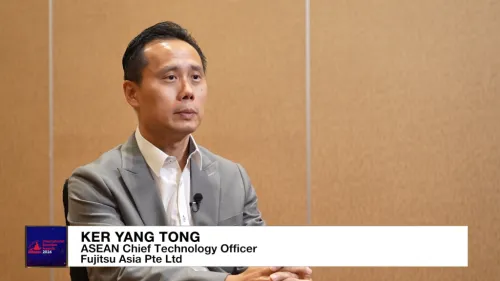
By Abhijit SenguptaThe newly tabled Electric Vehicle (EV) Charging Bill in Parliament is a much-welcome step in the right direction as mobility in Singapore continues to evolve. By ensuring the reliability and accessibility of the EV charging network and services in Singapore, we’re already advancing the conversation on EV adoption – from talking about increasing the number of EV charging points to discussing the quality of such infrastructure that will spur the adoption of EVs.
Quality EV charging infrastructure calls for the need to make data accessible for all in a normalised and secure manner. To do that, EV automotive OEMs, charging-technology providers, map providers, operators, utilities, and all players within the EV ecosystem must employ the same data format to enhance the overall EV driving experience. The data needs to "talk" the same language to build a truly connected driving experience within a unified technology platform.
Transport Minister S Iswaran has accurately pointed out that accessibility within the EV network goes beyond physical infrastructure and includes user experience – one where drivers are now demanding a connected driving experience. That is why the Land Transport Authority (LTA) has gone one step ahead to initiate an app that allows EV users to not only locate and access public charging points but also provide real-time charging availability. This is only possible because public and private operators come together to provide the data needed for EV drivers to seamlessly enjoy driving an EV.
A suggested next step for us as a nation to move EV adoption mainstream and at scale is to boost drivers’ confidence and help them plan their journey efficiently. One way to do that is to help EV drivers predict when public EV charge points are available for use. Location data coupled with machine learning can enhance EV driving experiences and help drivers plan their charging time more efficiently.
As we progress towards Singapore’s aim of net-zero emissions by 2050, we must leverage technologies for transformation. In the case of Singapore’s mobility sector, technologies – when applied correctly – will make our transport ecosystem more efficient, agile, and sustainable.



























 Read Here
 Advertise
 Sign Up