Electric cars to dominate 60% of Singapore’s vehicles in 2030: study
On the back of declining technology costs and government support.
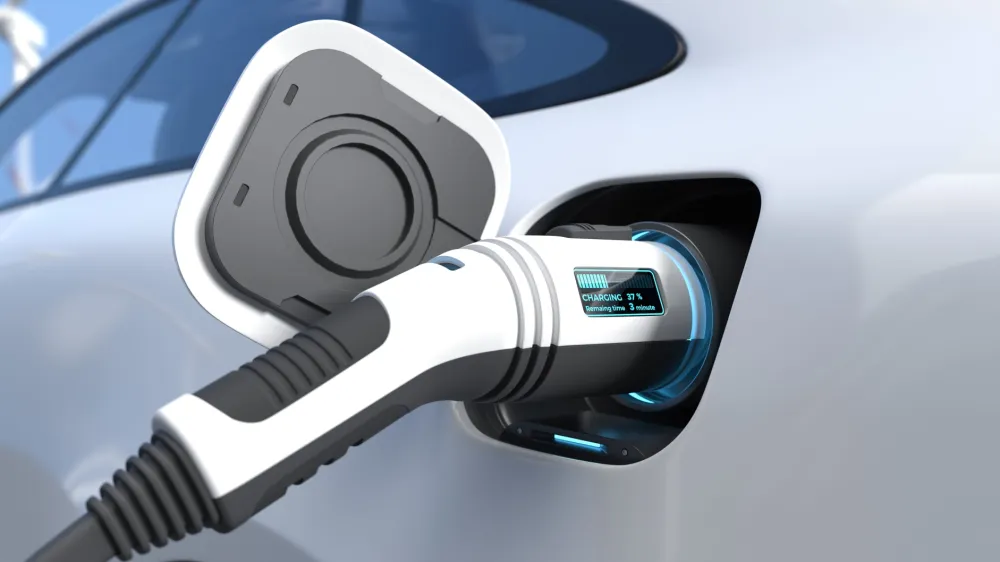
As technology costs are starting to fall apart, electric vehicles (EVs) are becoming far more common. With their environment-friendly features, governments from wealthy cities such as Singapore has been backing the technology with stricter regulations to limit greenhouse gas emissions.
With these reasons, EVs could account for almost two-thirds of all cars on the road by 2030, according to a research by McKinsey & Co and Bloomberg New Energy Finance.
For instance, the report revealed that the cost of a lithium-ion battery pack has already fell 65% in 2015 to around US$350 per kilowatt hour, from US$1,000/KWh in 2010.
The research projected that it could fall below $100 KWh over the next decade.
"In densely populated, high-income cities like London and Singapore, electric vehicles could represent as much as 60 percent of all vehicles on the road by 2030, the result of low-emission zones, consumer interest and favorable economics," the report stated.
But the rise of EVs would be for a painful cost, especially to the automotive sector.
"The automotive sector faces a future that could be fundamentally different from its past and may need to consider moving from using a pure product-ownership model toward providing a range of transportation services," the firm explained.
More so, Gasoline retailers should be thinking through how to further monetize current assets and how to capture future value through new propositions around convenience retail, the connected car, fleet services, and electric charging.



























 Read Here
 Advertise
 Sign Up