
Singapore retail growth masks uneven sector performance
Tourism and e-commerce gains contrast with weaker mass markets.
Singapore’s retail sales rose 8.3% in February, but the growth highlights a widening gap between tourism-led segments and weaker, price-sensitive categories.
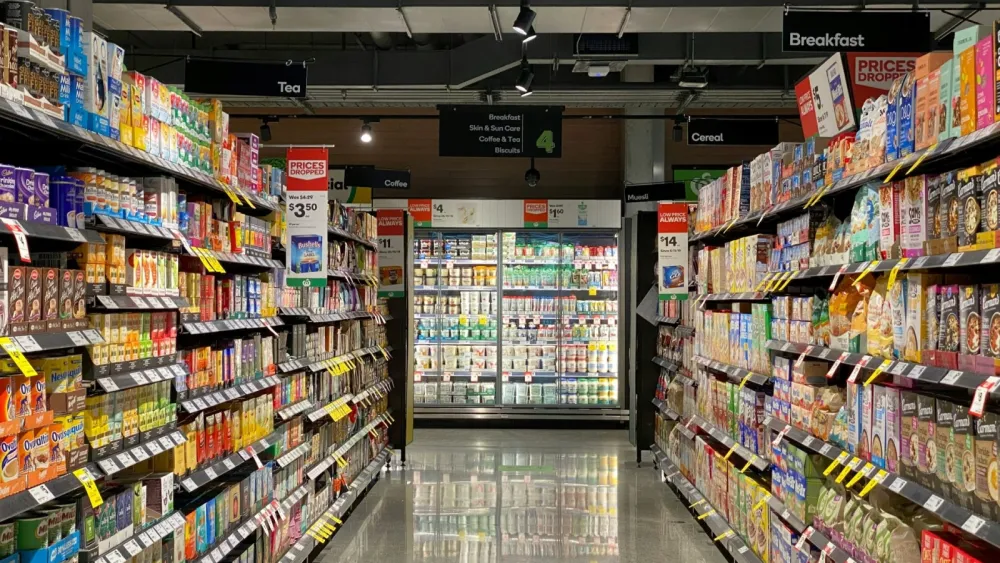
Supermarkets and recreational goods recorded strong gains, whilst motor vehicles and petrol declined, underscoring a split recovery. Roshan Raj Behera, Partner at Redseer Strategy Consultants, said the divergence is driven by three key forces.
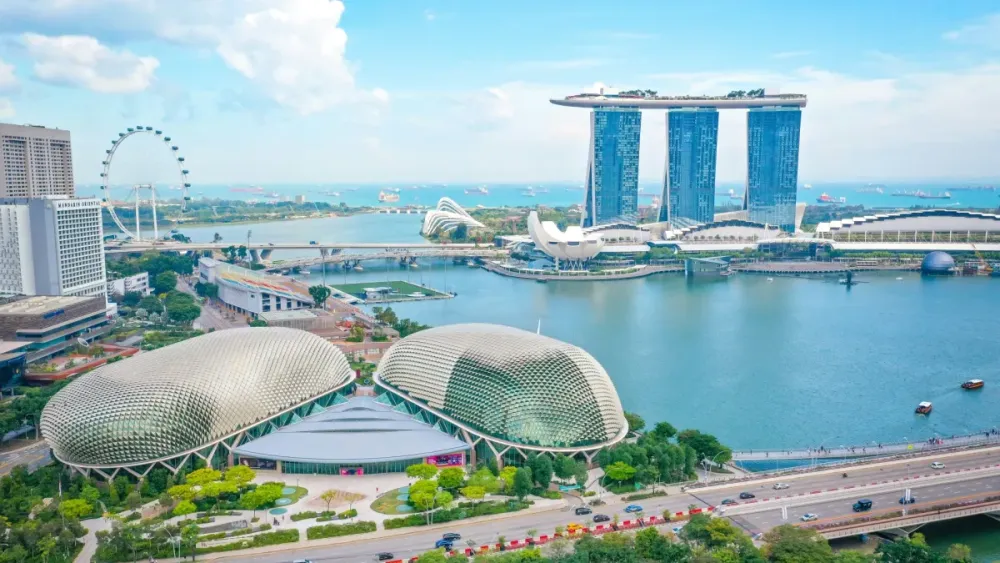
Tourism remains a major support. Singapore recorded 4.4 million international visitors, up 3% year-on-year. “These tourists typically spend at department stores, recreational goods, and restaurants,” Behera said, lifting sales and pricing power in prime retail locations.
Domestic demand tells a different story. Spending on non-essential items is slowing as households turn cautious. Behera noted that “deferrable categories” are weakening, with price-sensitive consumers seeking cheaper options. “There is a trend of spending outside Singapore, and that is where the leakage is happening,” he said, with shoppers crossing into Johor Bahru for lower-cost groceries and everyday goods, reducing local sales in these segments.
Online competition is adding pressure. Platforms such as Shein and Temu have “built apparel dominance through pricing,” forcing mid-market fashion retailers to cut margins and manage slower store traffic.
Retailers are adjusting by changing the role of physical stores. Many are repositioning outlets as “lifestyle destinations,” focusing on customer engagement rather than transactions. This is most visible in beauty, wellness, and fitness, where in-store experience drives visits, but purchases are often completed online.
Technology is becoming central to managing costs. “With AI, retailers can integrate these data points and have a clearer picture,” Behera said, helping improve demand forecasting, reduce excess inventory, and optimise supply chains.
The sector is becoming more polarised. Behera said it is “both happening at the same time,” with stronger players adapting through data and store redesign, whilst others struggle. Prime locations continue to outperform suburban areas due to tourist flows, whilst experience-led formats are gaining ground over commodity retail.
Rising costs are adding strain. With wages increasing, including a local qualifying salary of $1,800, and rents climbing, retailers are under pressure to improve sales per square foot and labour productivity.
As competition intensifies, retailers that fail to move beyond price risk margin squeeze and store closures in an increasingly divided market will continue to lag behind.






















 Read Here
 Advertise
 Sign Up







Commentary
What Singapore’s app store rules reveal about the future of online trust
Faster hiring alone will not fix construction’s productivity problem
Beyond policy: How Singapore's service sector can win at the frontline
Solving the production problem behind Singapore’s ‘pilot purgatory’
Transformation without disruption: Your Existing ERP is an accelerant to business innovation
From Singapore to Southeast Asia: Thriving in innovation by knowing when to pause
Section 13O, MAS, and the digital footprint of Singapore Family Offices
Could Singapore lead the world's next management revolution?