Changi passenger traffic falls 1.5% to 17.2 million in Q2
Southeast Asian routes recorded a 5% decline during the quarter.
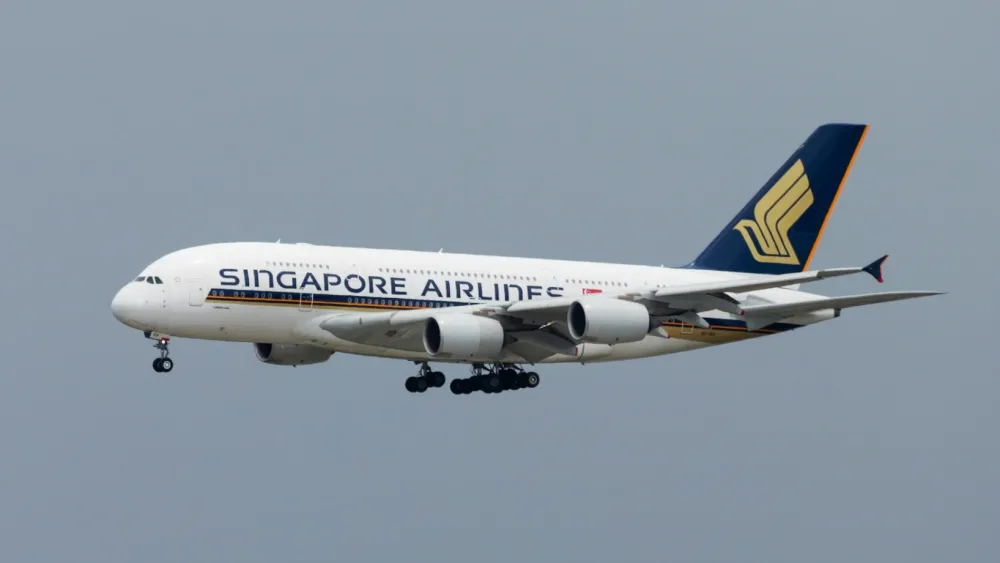
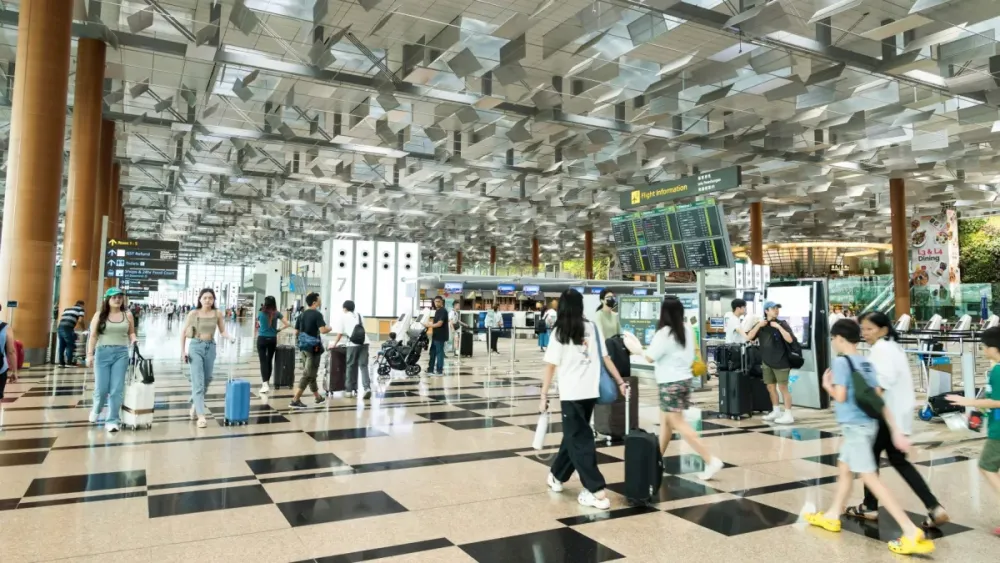
Changi Airport handled 17.2 million passenger movements in the second quarter of 2026, down 1.5% from a year earlier.
For the first half, passenger traffic rose 0.4% year-on-year, said Changi Airport Group.
Southeast Asian passenger traffic fell 5% in the quarter, with the group citing reduced airline services amidst higher jet fuel costs and fuel supply constraints.
However, traffic to and from Europe rose 8.7%, whilst Southwest Pacific traffic increased 3%.
Northeast Asian traffic grew 5.1%, supported by stronger demand on routes to Shanghai, Taipei, and Tokyo.
China, Indonesia, Australia, Malaysia, and India were Changi’s five largest passenger markets during the quarter.
Vietnam recorded the fastest growth among major markets, with passenger traffic rising 18.5%. Traffic to China increased 8.3%, while Japan posted a 7% gain.
Kuala Lumpur, Jakarta, Bangkok, Denpasar and Tokyo were the airport’s busiest passenger routes.
Aircraft movements, covering take-offs and landings, declined 1.3% to 92,400 during the period. First-half aircraft movements were broadly unchanged at 188,000.
Airfreight throughput rose 9.8% to 567,000 tonnes, on the back of higher shipments of artificial-intelligence-related semiconductors and electronics.
China, the US, Australia, Hong Kong, and India were Changi’s largest cargo markets.























 Read Here
 Advertise
 Sign Up